
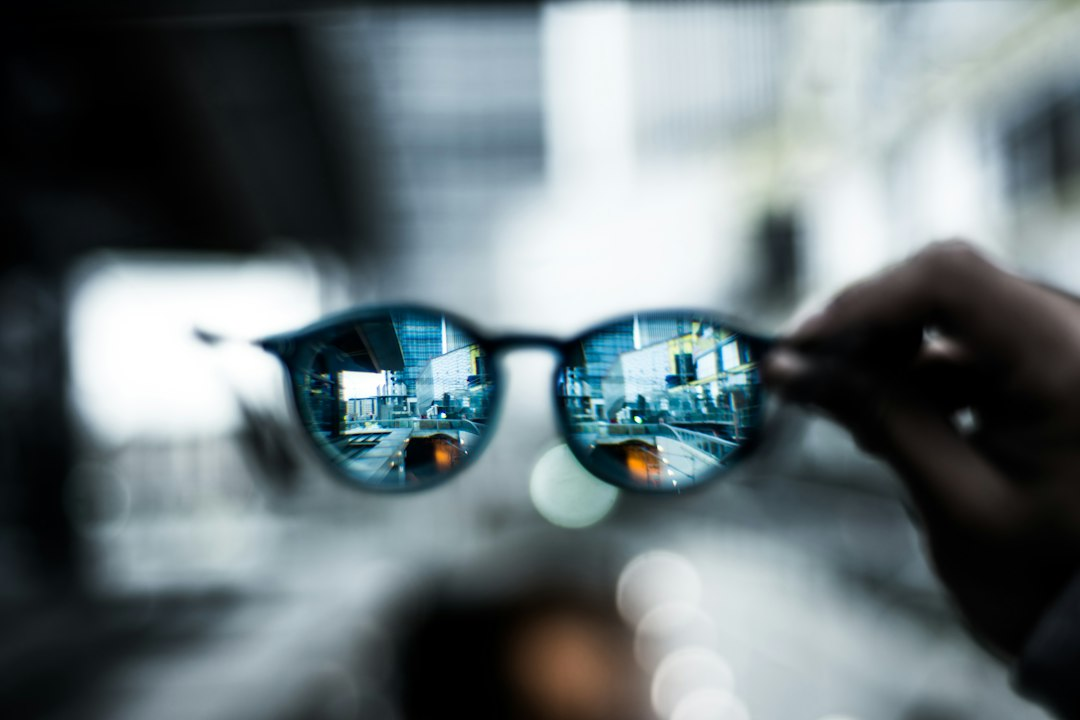
Norway’s government said October 5 that it plans to propose a temporary ban on AI-powered smart glasses in selected public places, citing the risk that people can be photographed, filmed or recorded without realizing it.
The proposal is not a blanket ban on wearable technology. Officials said private use would remain possible and that exceptions may be considered when smart glasses provide medical or other socially beneficial assistance.
Where restrictions could apply
The government identified places where privacy is particularly important, including healthcare facilities and fitness centers with changing rooms or showers. Schools, kindergartens, playgrounds and youth clubs are a major focus because children may be recorded without meaningful consent.
Officials said lawmakers could also consider concerts, sporting events, parks, beaches, museums and shopping centers. The scope, device definitions and exceptions have not been finalized because the measure still must be presented to the Storting, Norway’s parliament.
Why the proposal matters
Modern smart glasses can place cameras, microphones and AI assistants in ordinary-looking frames, making recording less obvious than when someone points a phone. Digitalization Minister Torgeir Micaelsen said a temporary restriction would create time for technical study and public debate before permanent rules are considered.
Reuters and the Associated Press both reported the government announcement. The Financial Times described Norway as the first major country to propose this type of broad temporary restriction.
The development highlights tension between AI adoption and privacy. AskNovus recently reported on the new U.S. federal AI task force, which focuses on American leadership and coordination rather than location-based restrictions.
What happens next
The government said it intends to present the proposal as soon as possible. Until parliament acts, the restrictions remain a plan rather than an enforceable national ban. Covered devices, locations, duration and exemptions remain subject to the legislative process.
Sources
- Associated Press — Norway proposal, October 5, 2026
- Reuters — government announcement, October 5, 2026
- Financial Times — proposed restrictions, October 5, 2026
Illustrative image credit: Redd Francisco/Unsplash.