
President Donald Trump has named Director of National Intelligence Jay Clayton to lead a new federal task force charged with coordinating the administration’s approach to advanced artificial intelligence, the Associated Press reported Monday.
The group, called the “Super Intelligence Force” by the administration, brings together officials responsible for intelligence, competition policy, personnel and defense technology. The effort follows a September 29 executive order directing executive-branch agencies to use “Super Intelligence” and “SI” in place of “Artificial Intelligence” and “AI” in non-statutory government communications.
Who is involved
According to the AP, the task force includes Federal Trade Commission Chairman Andrew Ferguson, Office of Personnel Management Director Scott Kupor and Pentagon technology official Emil Michael. It is expected to report to the president and White House Chief of Staff Susie Wiles while consulting technology companies, consumer advocates, infrastructure providers and other stakeholders.
The task force’s precise powers and timetable were not immediately detailed in the executive order, which focused on terminology and directed the president’s science and technology adviser to propose federal legislative language within 60 days. That distinction matters: the order supplies the administration’s stated policy framework, while Monday’s announcement establishes the coordinating group reported by the AP.
Safety and competition remain central questions
The administration says the initiative is intended to keep the United States at the front of advanced-computing development while addressing risks and public concerns. Its formation comes amid debate over whether voluntary company safeguards, external evaluations and existing regulators are sufficient for increasingly capable systems.
AskNovus previously covered Sam Altman’s argument for broad AI access despite some risk. The new task force gives the administration a central forum for its side of that policy debate, but its practical effect will depend on the authorities, staffing and public actions that follow.
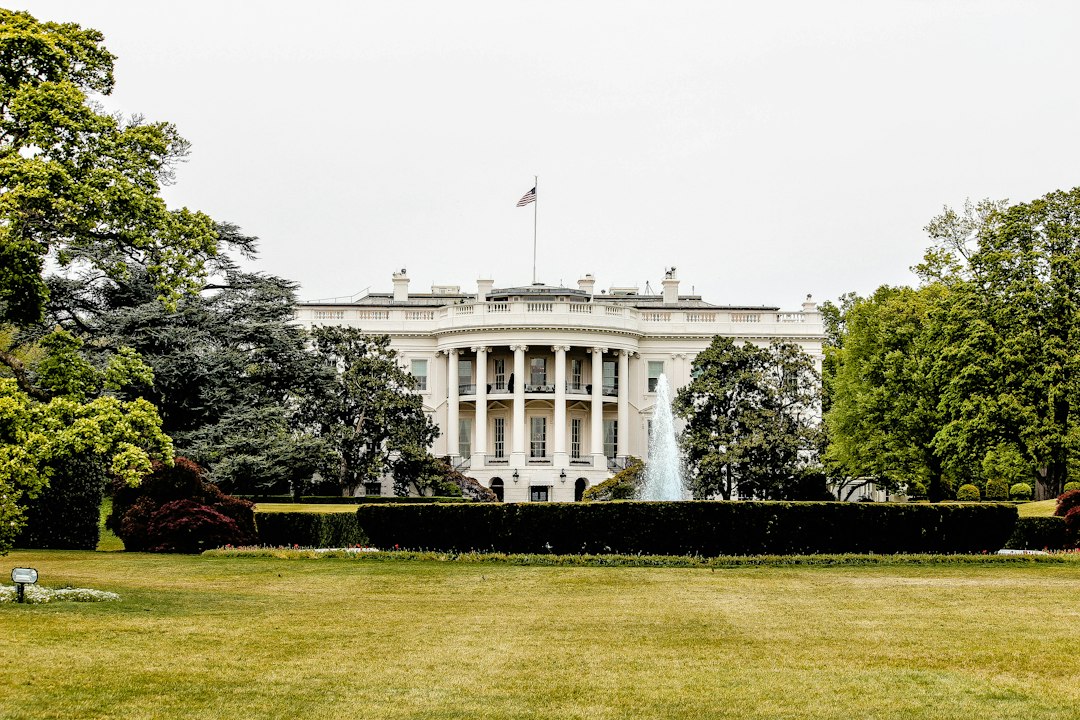
Illustrative featured image: the White House, René DeAnda/Unsplash.
Sources
- Associated Press, federal AI task-force announcement, October 5, 2026
- White House, Executive Order 14434, September 29, 2026
- White House fact sheet, September 29, 2026