
Latvian Prime Minister Andris Kulbergs’ centrist, pro-Ukraine United List won the country’s parliamentary election, taking roughly 35% of the vote and putting Kulbergs in position to remain in office through a new coalition.
With 97% of ballots counted on Sunday, October 4, United List held 35.3% and was projected to receive 42 seats in Latvia’s 100-seat Saeima, Reuters reported. The result is the strongest showing by a single party since Latvia restored independence in 1991, but it is still short of a majority.
Coalition talks come next
Latvia uses proportional representation, which makes coalition governments common. Kulbergs will therefore need partners even after winning by a wide margin.
The populist Latvia First party was running second with about 13%, while several smaller parties were positioned to enter parliament after clearing the 5% threshold. Kulbergs ruled out governing with Latvia First during the campaign, making negotiations with pro-European and pro-Ukraine parties the likelier route.
The final allocation may shift slightly as remaining ballots are processed, but the scale of United List’s lead makes its first-place finish clear.
Security dominated the campaign
The election took place as Latvia, a NATO and European Union member bordering Russia and Belarus, faces heightened concern over the war in Ukraine and regional airspace security.
Kulbergs became prime minister in May after the previous coalition collapsed amid criticism of its response to stray military-drone incidents. His campaign emphasized higher defense spending, stronger anti-drone systems and continued support for Ukraine.
Latvia First appealed to voters seeking negotiations to end the war and drew support from parts of the country’s Russian-speaking population. Other Russian-speaking voters have distanced themselves from the Kremlin since Russia’s full-scale invasion of Ukraine.
Turnout and the path to a government
Turnout was just over 51%, according to Latvian reporting, a historically low level for a parliamentary election. Approximately 1.56 million people were eligible to vote for lawmakers who will serve four-year terms.
Kulbergs now must demonstrate that the broad election victory can translate into a stable governing majority. Coalition negotiations will determine cabinet posts and the next government’s policy program.
The result adds another consequential European vote to a weekend that also produced a major policy decision at the UK Green Party conference and a planned leadership change in Austria.
Why the result matters beyond Latvia
Latvia has been among the European Union’s strongest supporters of military and financial assistance for Ukraine. A Kulbergs-led coalition would be expected to preserve that direction while accelerating investment in border security and air defense.
The strength of United List’s result also gives Kulbergs leverage in coalition talks. Even so, prospective partners can still shape spending, social policy and the pace of defense commitments because the winning party controls fewer than half the seats.
The next formal milestones are certification of the final vote, agreement among coalition parties and presidential approval of a nominee capable of commanding a parliamentary majority.
Sources
- Reuters election report — updated October 4, 2026
- Associated Press results report — October 4, 2026
- Latvia Central Election Commission — official election information
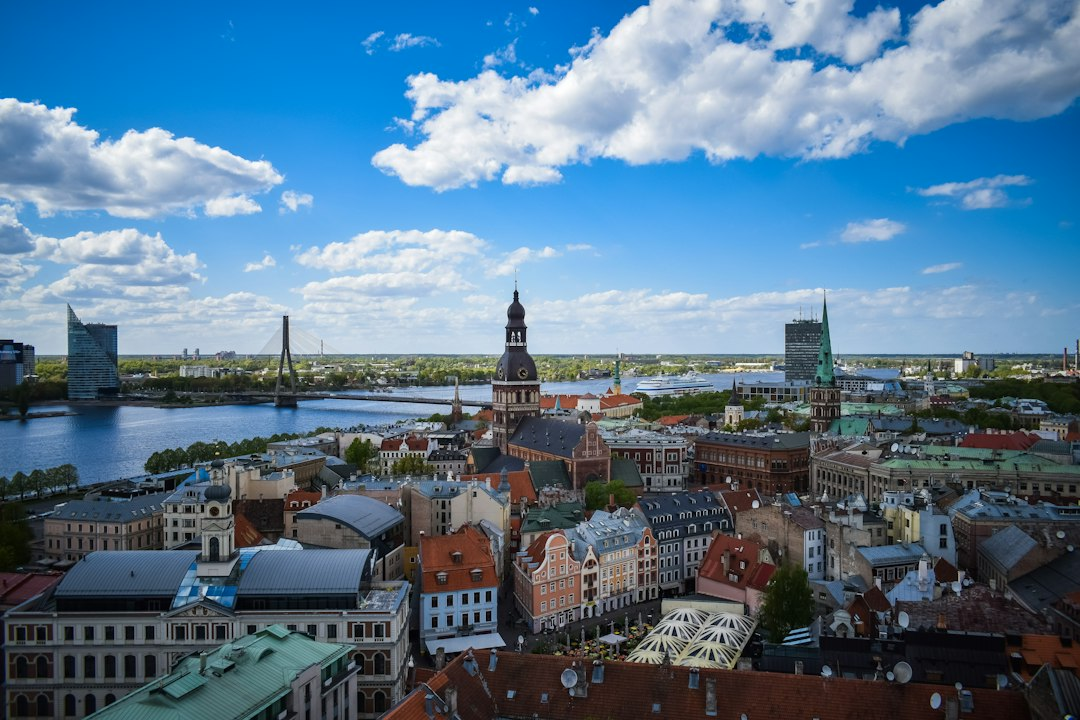
Featured image: Darya Tryfanava/Unsplash.
[…] is also tracking political changes elsewhere in Europe, including Latvia’s parliamentary result and Austria’s planned vice-chancellor […]
[…] readers following the broader international election calendar, AskNovus has also reported on Latvia’s parliamentary election and Bosnia’s preliminary presidency […]