
Iranian Oil Minister Mohsen Paknejad has resigned, and Hamid Bovard, chief executive of the state-owned National Iranian Oil Company, has been appointed acting minister, Iranian state media reported Sunday, October 4.
A communications official in President Masoud Pezeshkian’s office said Paknejad had submitted his resignation some time ago for personal reasons and that the president accepted it after Paknejad pressed for the request to be approved.
Leadership change at a critical ministry
Paknejad had served as oil minister since August 2024. The ministry oversees the sector that supplies a central share of Iran’s export revenue and government income, making the transition consequential even though officials characterized the departure as personal.
Bovard moves into the interim role from the National Iranian Oil Company, the government-owned company responsible for much of Iran’s upstream oil and gas activity. Iranian authorities had not announced a timetable Sunday for nominating or confirming a permanent successor.
Oil revenue and the Hormuz dispute
The change comes while Iran’s oil industry faces sanctions, military pressure and shipping uncertainty. Before the resignation became public, Paknejad was quoted by state media as saying revenue from oil already sold continued to reach the country.
Iranian officials have also said the Strait of Hormuz will remain closed until conditions in a June framework are met. The waterway is one of the world’s most important energy routes, and any disruption can affect shipping costs and global crude prices. AskNovus has a detailed account of Iran’s seven stated conditions for reopening the Strait of Hormuz.
What is confirmed—and what is not
The confirmed facts are Paknejad’s resignation, the government’s stated personal-reasons explanation and Bovard’s appointment as acting minister. No public evidence released Sunday established that a policy dispute or a specific oil-market event caused the departure.
The interim appointment provides operational continuity, but questions remain about whether Iran will change its production, export or maritime policy under new leadership. Those policies are shaped by the presidency, security institutions and the wider government, not the oil minister alone.
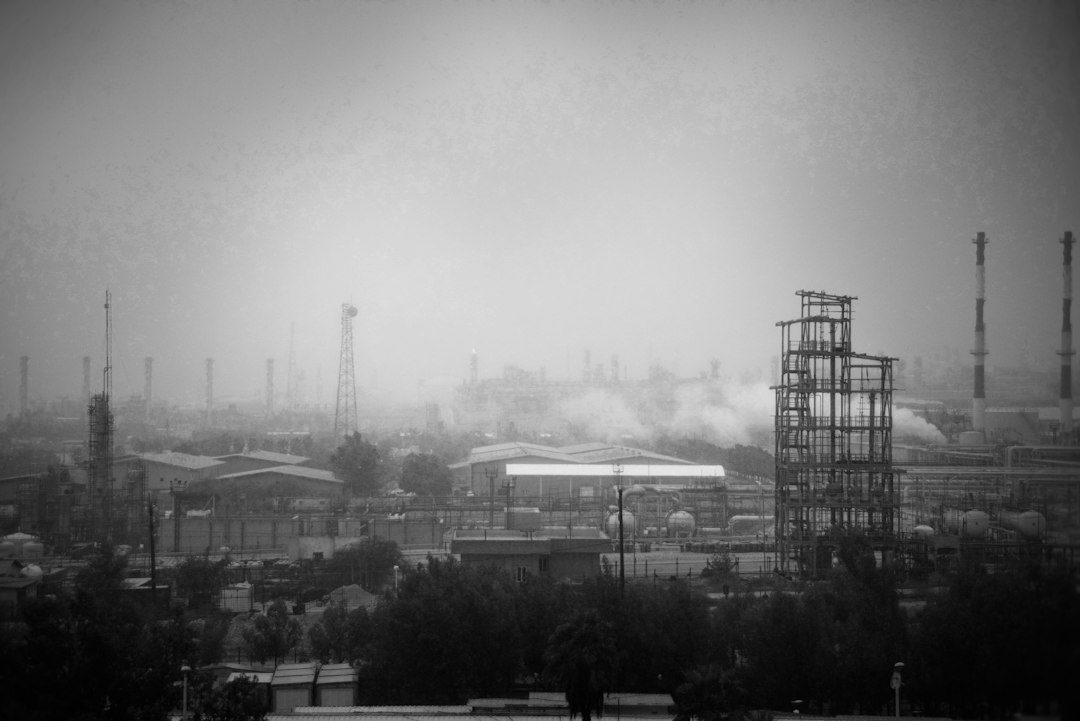
Featured image: Abdolhassan Fazeli/Unsplash.
Sources
- Al-Monitor/Reuters, October 4, 2026
- Internazionale/Reuters, October 4, 2026
- Folha de S.Paulo, October 4, 2026
[…] is also tracking the change in Iran’s oil ministry, Yemen’s announced offensive against Houthi forces, and Ukraine’s warning of intensified […]