
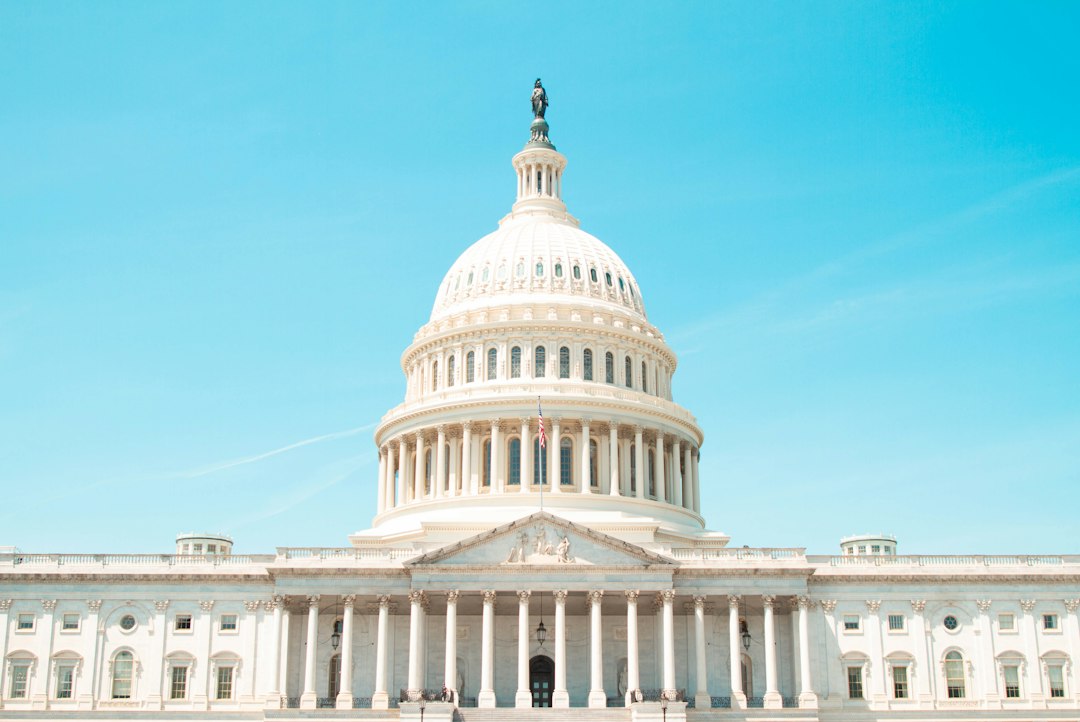
September 30, 2026. The Government Accountability Office said the White House cannot use a proposed $810 million cancellation of congressionally approved spending to keep the money unavailable until it expires at the close of the federal fiscal year Wednesday. The September 29 GAO opinion responds to a September 25 White House message asking Congress to rescind funds from 11 appropriation accounts.
What the dispute concerns
The White House package totals $810 million across programs in the departments of Commerce, Education, Health and Human Services, Homeland Security, Housing and Urban Development, and Justice, as well as international assistance. It includes about $567 million from a refugee and entrant assistance account. The administration argues the proposed cuts would eliminate spending it considers wasteful or inconsistent with its policies. Those are its policy claims; GAO said its opinion does not judge the merits of the affected programs.
A rescission request asks Congress to cancel previously enacted budget authority. The White House sent its request just before the September 30 expiration of the affected funds, a timing sometimes called a “pocket rescission” because Congress may not have time to vote before the money lapses. GAO said the law permits only temporary withholding while Congress considers a valid request. It concluded that the executive branch cannot force funds to expire without Congress enacting the cancellation. GAO found the congressional consideration period would not end before November 9, well after the fiscal-year deadline.
What changes now
The opinion is a formal conclusion from Congress’s nonpartisan watchdog, not a final court judgment or proof that every affected payment has already been restored. Roll Call reported that White House budget officials disputed GAO’s reading of the law and that enforcement could still be contested. The practical outcome depends on what the administration does with the funds and any subsequent legal or congressional action.
The key distinction is between a proposal to Congress and an enacted cancellation. As of GAO’s September 29 opinion, Congress had not enacted the 11 proposed rescissions. AskNovus will follow any documented action in its Politics coverage.
Sources: GAO decision B-338788 dated September 29, 2026; White House rescission package dated September 25, 2026; Roll Call report dated September 29, 2026. Featured image: Caleb Perez / Unsplash, illustrative Capitol photograph.