
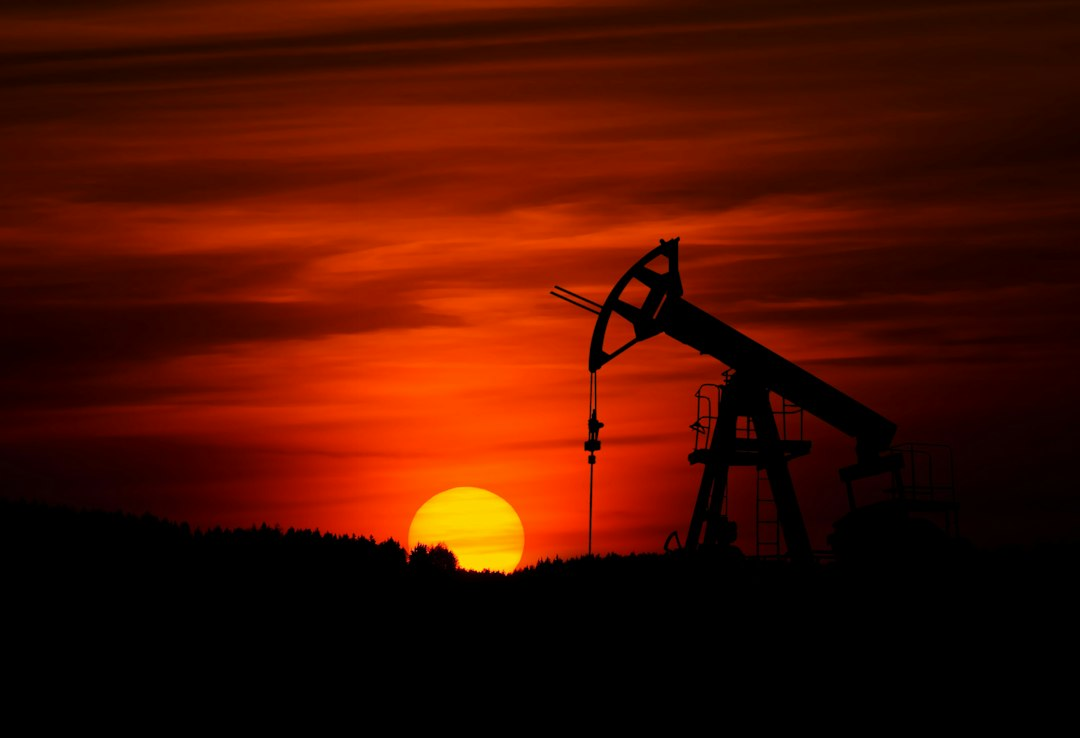
Seven OPEC+ countries agreed Sunday to keep their November oil-production requirements unchanged from September levels, extending the group’s pause for a second month as geopolitical disruptions continue to limit actual exports.
Saudi Arabia, Russia, Iraq, Kuwait, Kazakhstan, Algeria and Oman made the decision during a virtual meeting on October 4. In an official statement, the group said the countries reviewed global market conditions and reaffirmed their commitment to comply with the broader Declaration of Cooperation.
What the decision changes
The agreement does not add a new production increase for November. Instead, the seven members will retain the same required production levels used for September and October. OPEC said the next monthly meeting is scheduled for November 1, when the group is expected to review conditions again.
The unchanged targets do not necessarily mean physical supply will remain exactly flat. Reuters reported that Gulf producers have been pumping below their quotas because of export disruptions linked to the Iran conflict. Actual shipments, maintenance, compensation plans and the ability of individual members to reach their ceilings can all affect the barrels that reach the market.
Why output remains below target
OPEC+ had gradually unwound 1.65 million barrels per day of voluntary reductions by September, following several months of announced increases. However, the group still maintains roughly 2 million barrels per day of other cuts through the end of 2026, according to Reuters and The National.
Seven-member output was about 25 million barrels per day in August, roughly 5 million barrels per day below prewar levels, Reuters reported. That gap helps explain why unchanged formal ceilings may have less immediate market impact than the headline figure suggests.
What oil markets will watch next
Attention is shifting toward the group’s review of members’ production capacity, which will influence 2027 quotas. The Iran war and changing export flows have complicated those estimates. Traders will also monitor shipping through the Strait of Hormuz and the emergency release of oil and diesel reserves by Group of Seven countries.
For related coverage, see AskNovus’ reports on the G7 emergency oil and diesel release and Iran’s conditions for reopening the Strait of Hormuz.
Sources
- OPEC official statement, October 4, 2026.
- Reuters, October 4, 2026.
- The National, October 4, 2026.
Featured image: Zbynek Burival via Unsplash.