
Group of Seven leaders agreed Friday, October 2, to coordinate the release of 100 million barrels of oil and refined products through the International Energy Agency, aiming to ease supply pressure in fuel markets.
The release is scheduled to occur over four months. The G7 statement said a substantial volume of diesel would be made available in the first 20 days, reflecting concern about constrained refined-product supplies rather than crude oil alone.
What governments agreed to do
The emergency action includes barrels from national strategic stocks and other reserve mechanisms coordinated through the IEA. G7 governments also said they would avoid export restrictions among members, a step intended to prevent national measures from further fragmenting the market.
The IEA was asked to monitor implementation and report on market conditions before the first 20-day period ends. According to the agency, roughly 325 million barrels from an earlier 400 million-barrel coordinated action announced in March had already reached the market by early October.
Why diesel is central
Diesel and related middle distillates power freight transport, agriculture and industry. A shortage can therefore reach consumer prices indirectly through shipping and production costs. The G7’s decision to front-load diesel recognizes that refined products cannot always be replaced barrel-for-barrel by releasing crude, particularly when refinery capacity and transport routes are constrained.
The measure is intended as a temporary supply bridge, not a permanent change in production. AP reported that analysts see uncertainty around how much the release will lower prices and for how long. The agreement also left some ambiguity about how the new 100 million barrels relate to the unfinished portion of the earlier pledge.
What the release does not mean
The announcement is not a live-price quote and does not guarantee a specific change in gasoline or diesel prices. Market prices also respond to demand, refinery outages, shipping costs, inventories and expectations about future supply. Any subsequent movement should be described as reported market action, not automatically attributed to this decision alone.
The release comes as global bond and commodity markets remain sensitive to inflation and supply risks. For related market context, see AskNovus coverage of the recent global bond selloff and Treasury-yield move.
Sources
- G7 statement on energy security and markets, October 2, 2026.
- International Energy Agency statement, October 2, 2026.
- Reuters report, October 2, 2026.
- Associated Press report, October 2, 2026.
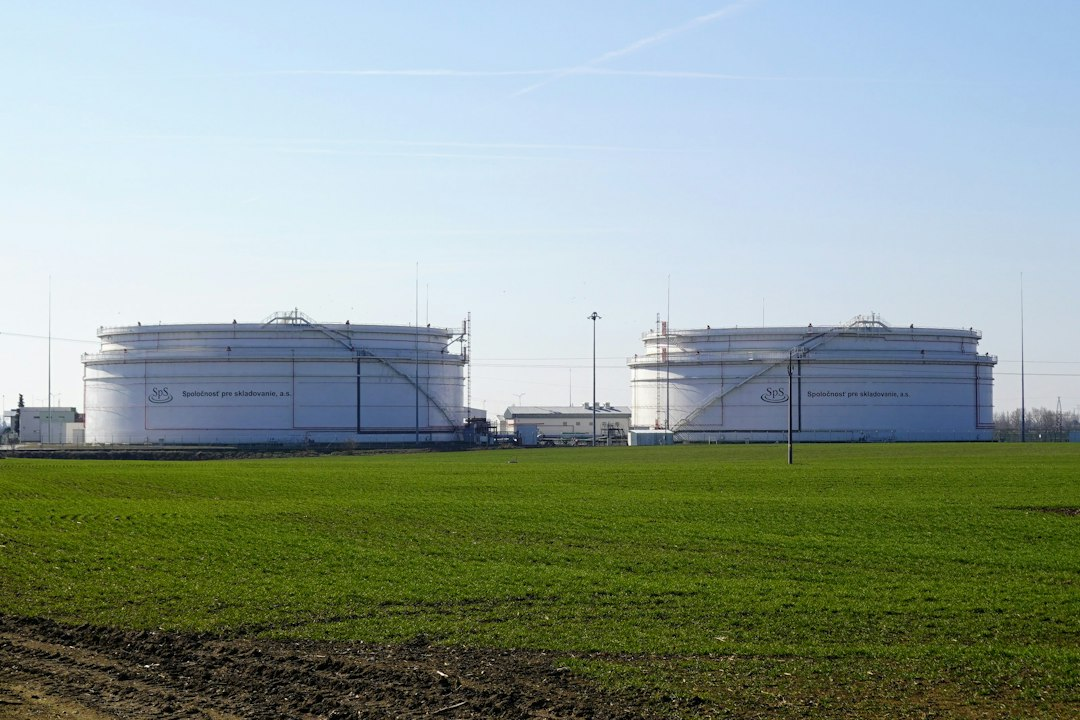
Featured-image credit: Energie-portal.sk/Unsplash. The image is illustrative.
[…] related coverage, see AskNovus’ reports on the G7 emergency oil and diesel release and Iran’s conditions for reopening the Strait of […]