
The NFL is asking the U.S. Supreme Court to hear a case that could decide whether sports prediction-market contracts are regulated primarily by federal commodities authorities or by state gambling regulators.
The league filed an amicus brief October 8 supporting New Jersey officials in their dispute with prediction-market operator Kalshi. The Supreme Court has not agreed to hear the case, and the filing does not itself change the legality of prediction markets.
What the NFL is asking the Supreme Court to decide
The central question is whether sports-event contracts offered on federally designated contract markets fall exclusively under the Commodity Futures Trading Commission, or whether states may also apply their gambling laws.
Federal appeals courts have reached different conclusions. The Third Circuit sided with Kalshi in litigation involving New Jersey, while other appellate rulings have allowed state regulators to enforce gaming requirements. New Jersey asked the Supreme Court to resolve that split.
Kalshi is expected to respond to the petition by November 9. The justices are not expected to decide whether to accept the case before December, according to Reuters. A petition for review is not a ruling on the merits.
NFL raises integrity and consumer-protection concerns
In its brief, the NFL argues that sports prediction contracts function like gambling products and can create risks for game integrity and consumers. The filing says NFL-related contracts accounted for $1.8 billion of the $3.3 billion traded across prediction markets on the first Sunday of the 2026 season.
The league wants safeguards comparable to those used by state gaming regulators, including a minimum age of 21, restrictions on contracts especially vulnerable to manipulation, and protections against trading based on nonpublic information.
The CFTC told Reuters it had engaged with the NFL and said the league declined to sign a proposed information-sharing agreement. Prediction-market supporters maintain that federal regulation provides a consistent national framework and avoids a state-by-state patchwork.
What happens next
The Supreme Court must first decide whether to grant review. If it declines, the differing lower-court rulings may continue to produce different rules across jurisdictions. If the court accepts the case, its eventual decision could define how rapidly growing sports-event markets are overseen nationwide.
Consumers should remember that a prediction-market contract may be regulated differently from a wager placed through a state-licensed sportsbook. Availability and legal requirements can vary by location.
Follow AskNovus NFL and Sports Betting for verified developments.
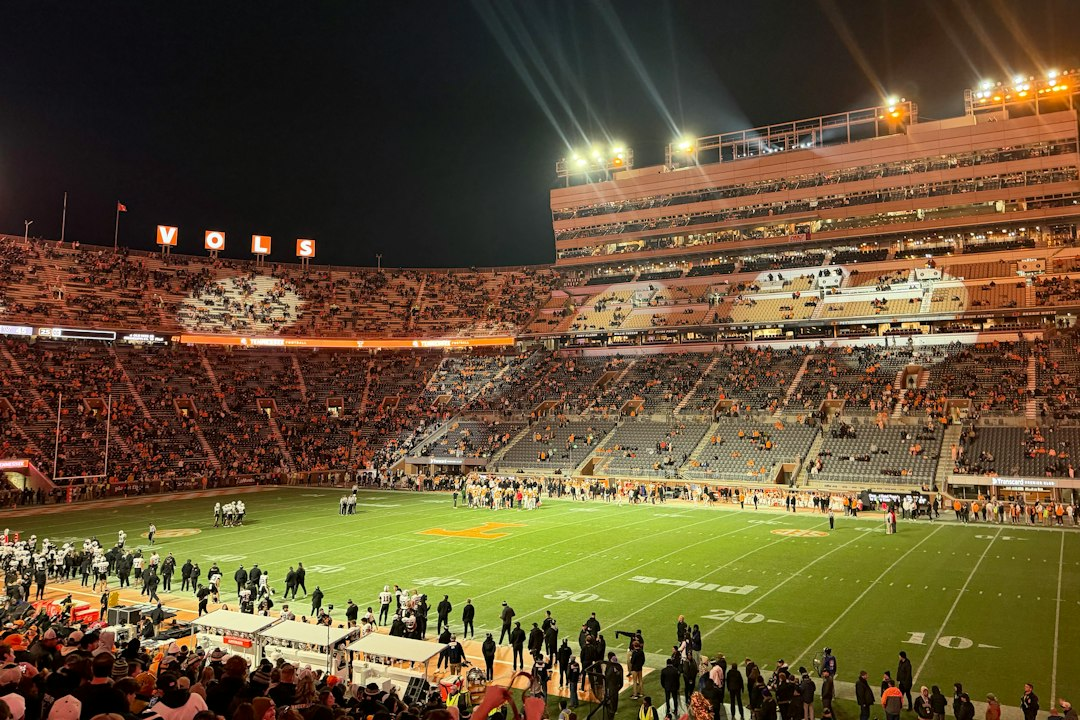
Featured image: Scott Greer/Unsplash.
Sources
- NFL amicus brief, U.S. Supreme Court, October 8, 2026
- Reuters, October 8, 2026
- Associated Press, October 8, 2026