
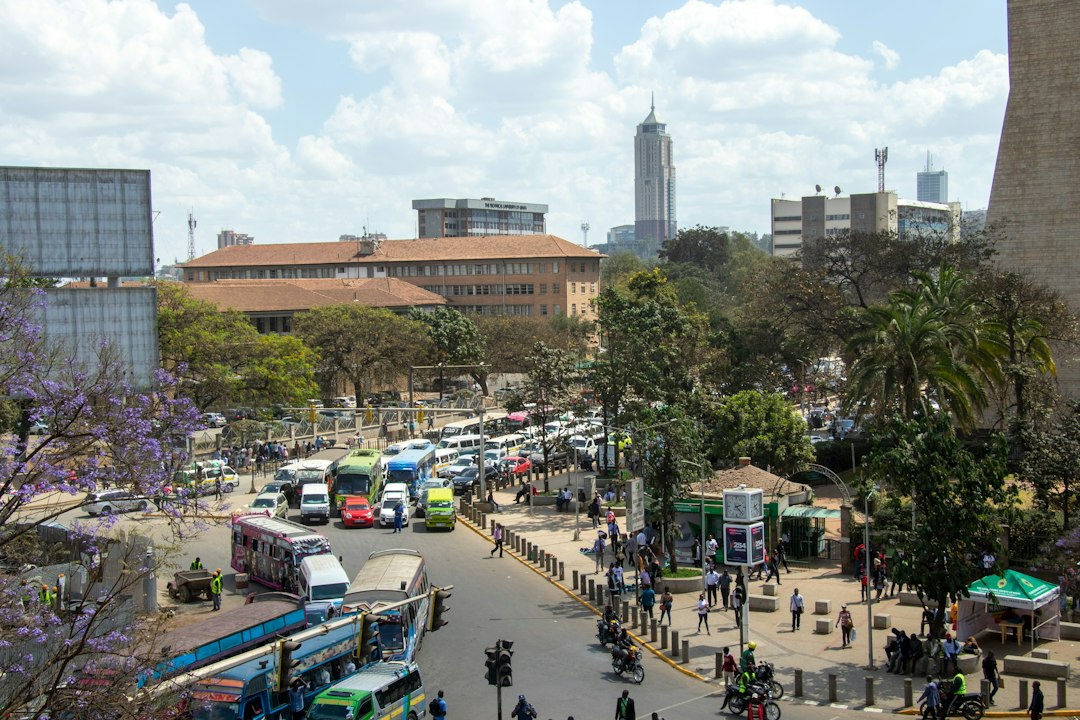
Kenya confirmed its first imported case of Bundibugyo virus disease on Tuesday, Oct. 6, after a Kenyan citizen who had traveled from the Democratic Republic of Congo died in Nairobi. Kenyan authorities and the World Health Organization are tracing and monitoring contacts in an effort to prevent further transmission.
The case is Kenya’s first confirmed Ebola infection. It is classified as imported; officials had not announced evidence of sustained transmission inside Kenya at publication time.
What authorities know
The patient had lived in Congo for seven years and had been ill for about a month, according to Kenyan officials cited by Reuters and The Associated Press. He traveled by road to Kampala, Uganda, then flew to Nairobi on Saturday. He was isolated after admission to Nairobi Hospital and died late Monday.
Officials said eight relatives and 21 health workers who had contact with the patient were quarantined and monitored. Authorities were also tracing 23 passengers and four crew members from his flight. Contacts are expected to be monitored for 21 days, the standard observation period used in Ebola response.
WHO said it is supporting Kenya with surveillance, contact tracing, laboratory capacity, clinical care and infection prevention. The agency has delivered roughly 1,000 diagnostic tests and 1,000 sets of personal protective equipment to high-risk counties.
What the diagnosis means
Bundibugyo virus is one of the viruses that can cause Ebola disease. It spreads through direct contact with blood or other bodily fluids of an infected person, or with contaminated materials. It does not spread through ordinary casual contact in the way common respiratory viruses do.
Kenya is the fourth country to report a case linked to the outbreak centered in eastern Congo. WHO has described the risk as very high in Congo and high in neighboring countries because the outbreak spans multiple provinces and response teams face security and access constraints.
WHO Director-General Tedros Adhanom Ghebreyesus said the agency is supporting Kenya and Uganda and does not recommend travel restrictions on affected countries. Travelers and residents should follow official public-health guidance and avoid sharing unverified claims.
For another recent international public-health development, read Russia Says No Plague Cases Detected as WHO Keeps Global Risk Low. More verified coverage is available in Health News.
Sources
Featured image credit: Michael Njoroge/Unsplash.