
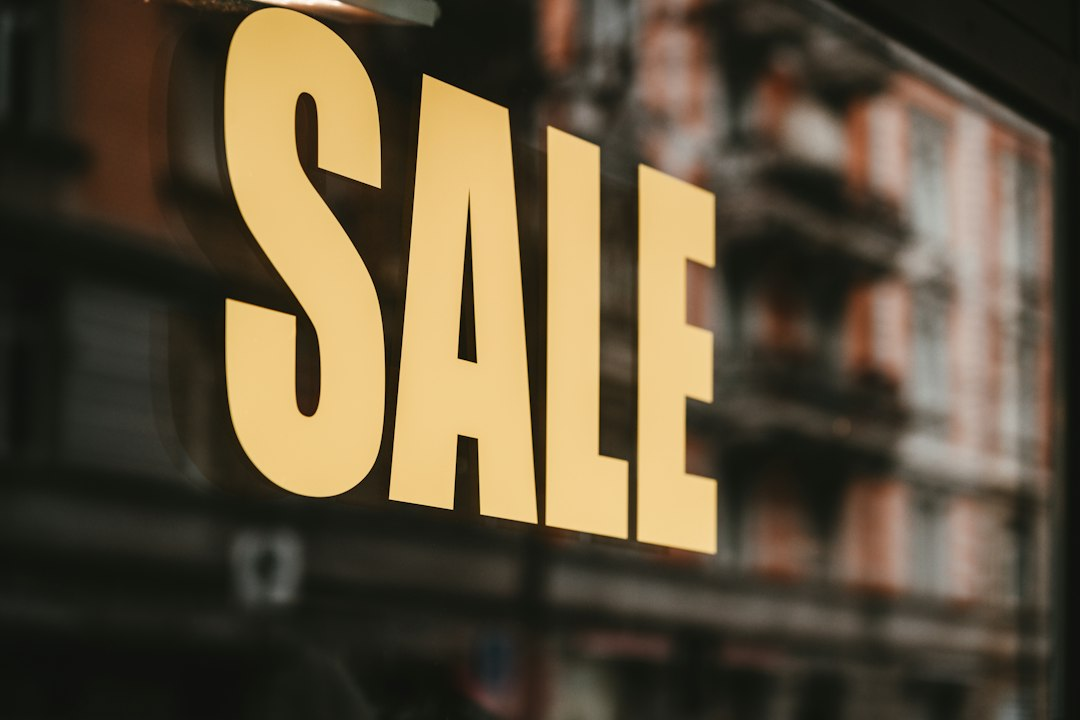
A bright sale badge is an invitation to investigate—not proof that today’s price is a bargain.
Start with the price you will actually pay
A percentage-off claim can look impressive while hiding the number that matters: the total. Put the item, shipping, required accessories, membership fees and any other mandatory charge in one comparison. Taxes may vary by location, but the rest should be visible before you commit.
Do not compare a seller’s “sale” price only with its crossed-out reference price. Search the exact model number or product name at other reputable stores. For products that change often, take a screenshot or note the date, seller and price so you are comparing the same version.
Do a three-part discount check
1. Confirm the exact item
Small differences in storage, size, generation, warranty or included accessories can explain a lower price. A marketplace listing may also mix several variations on one page, so verify the option in your cart.
2. Read the conditions
Look for requirements such as a trade-in, activation, subscription, coupon code or store credit. A discount that arrives months later is not the same as an immediate price reduction.
3. Test the urgency
The Federal Trade Commission has identified fake countdown timers and other “dark patterns” that can pressure people into decisions. If the clock resets after refreshing the page, or the price remains after it expires, slow down. A legitimate deadline should have clear terms.
Check the return and price-adjustment rules
A slightly higher price from a seller with an understandable return window, reliable support and a real warranty may be the better value. Save the product page, receipt and promised delivery date. If a retailer offers post-purchase price adjustments, note the request deadline.
A quick checkout checklist
- Is the seller—and not just the platform—clearly identified?
- Did you compare the exact model elsewhere?
- Are shipping and required fees included?
- Is the return window long enough to inspect the item?
- Are you paying by a method with dispute protections?
For unfamiliar marketplaces, research the site and seller separately. An enormous discount is not useful if the item is counterfeit, never arrives or cannot be returned.
Sources
This is an original AskNovus guide based on the sources listed above. Image credit: Claudio Schwarz via Unsplash.