
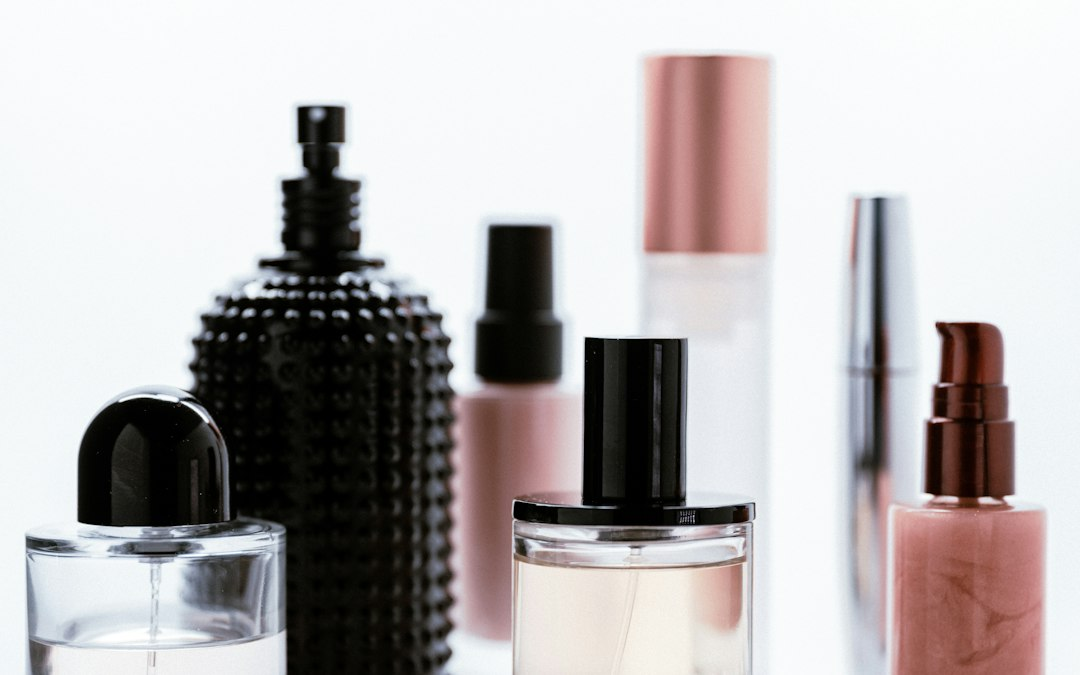
A cosmetic label contains useful facts, but it is not a guarantee that a product will suit every person or deliver every marketing promise.
Start with identity and quantity
The front of a cosmetic package should tell you the nature or use of the product and the net quantity of contents. This helps distinguish, for example, a cleanser from a treatment and lets you compare sizes rather than package height.
Use the ingredient list as a screening tool
Ingredients are generally listed in descending order of predominance, with exceptions allowed for certain lower-concentration ingredients and color additives. The list can help you avoid a known allergen or compare formulas, but it does not tell you the exact concentration of every ingredient.
“Natural,” “clean” and similar marketing language can mean different things to different brands. Read the actual ingredient list and directions instead of relying on a front-label theme.
Cosmetic is not the same as drug
Claims affect how a product is regulated. A product intended only to cleanse, beautify or alter appearance may be a cosmetic. A claim to treat or prevent disease, or affect the body’s structure or function, can make the product a drug—or both a cosmetic and a drug—with different requirements.
FDA explains that cosmetic products and ingredients, other than color additives, generally do not require FDA approval before marketing. That is why an ordinary cosmetic’s “FDA approved” claim deserves scrutiny.
Look for warnings and directions
Some products need specific warnings or directions for safe use. Follow patch-test or avoidance instructions where provided, and stop using a product if it causes a concerning reaction. Seek medical help for a serious reaction.
What about expiration dates?
FDA says U.S. law does not generally require cosmetic manufacturers to print expiration dates, although companies remain responsible for product safety. Record when you open products that change over time, keep them away from excessive heat or contamination and discard them if odor, color or texture changes unexpectedly.
A five-question label check
- What exactly is the product intended to do?
- Are there ingredients I know I need to avoid?
- Are the directions and warnings clear?
- Can I identify the responsible company?
- Does the marketing make a medical claim that needs closer scrutiny?
Sources
This is an original AskNovus guide based on the sources listed above. This general information is not medical advice. Image credit: Kier in Sight Archives via Unsplash.