
September 30, 2026 — A proposed antitrust settlement would end Corteva’s pesticide distributor loyalty program and restrict similar arrangements for 10 years, according to the Federal Trade Commission. The agreement also calls for Corteva to pay $35 million to the states that joined the case. A judge must approve and sign the stipulated order before it has the force of law.
What the proposed order changes
The FTC and 12 states alleged that Corteva rewarded distributors for buying nearly all of certain pesticide ingredients from the company, leaving little room for lower-priced generic products after patent and regulatory exclusivity expired. The settlement would bar Corteva from tying distributor benefits to purchases exceeding 50% of a particular active ingredient from Corteva. It would also prohibit programs that cap a distributor’s purchases of generic alternatives below 50%, along with other specified ways to recreate those restrictions.
The order would apply to Corteva’s post-patent active ingredients broadly, not just the three examples in the original complaint. The proposed restrictions would last a decade. The $35 million payment resolves the state plaintiffs’ monetary claims; it is not a direct payment to individual farmers.
What farmers may see
More room for generic products in distributor catalogs could create price competition, but the agreement does not set a retail pesticide price or guarantee an immediate price cut on every farm. Availability and prices will depend on distributors, competing manufacturers and the products farmers need. The FTC says the alleged conduct caused farmers to overpay; that assertion comes from the government’s complaint.
The 2022 lawsuit also named Syngenta. The FTC says litigation against Syngenta continues, so the Corteva agreement does not settle those claims. The commission voted 2–0 to approve the proposed order, which was filed in federal court in North Carolina.
Source: Federal Trade Commission announcement and linked settlement, September 28, 2026. This article is AskNovus’s original summary and analysis of the agency’s action.
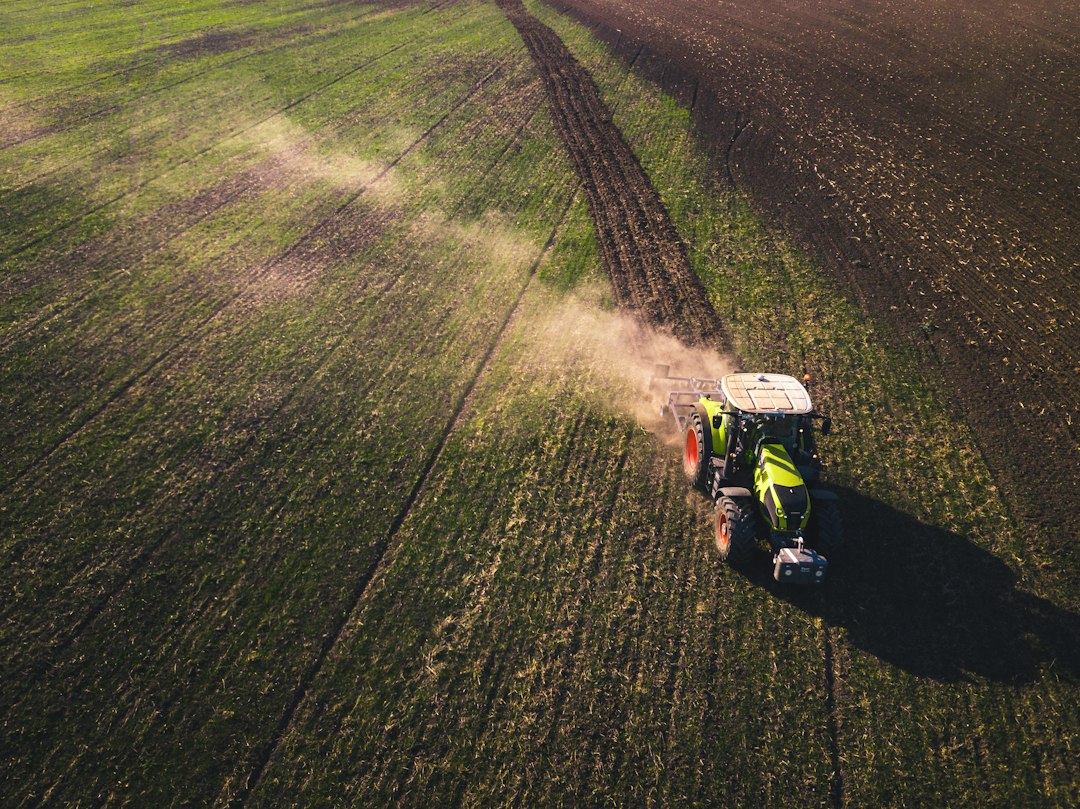
Illustrative farm image: Chris Ensminger / Unsplash.