
SACRAMENTO, Calif. — California Gov. Gavin Newsom signed a package of artificial-intelligence laws on September 30, 2026, that adds worker protections around automated discipline, layoffs and workplace surveillance. The measures make California the latest major jurisdiction to move from broad AI principles toward specific rules for how employers may use automated systems.
The package requires a real person to review automated employment actions rather than allowing an employer to rely solely on an AI system for discipline or termination. It also requires employers to disclose when an AI system is responsible for a mass layoff, relocation or termination, according to the governor’s office.
Other provisions prohibit employers from using AI to infer a worker’s emotional state from biometric data and bar workplace-surveillance tools in workplace bathrooms. The four workplace bills highlighted by labor leaders are SB 947, SB 951, AB 1331 and AB 1883.
What the new rules change
The practical shift is human accountability. An automated score, recommendation or classification may inform an employment decision, but the employer cannot treat the system as the only decision-maker when disciplining or firing someone. That does not ban workplace AI; it creates a requirement for human review where the consequence for a worker is especially serious.
The layoff-notice provision adds another layer of transparency. If an AI system causes a covered mass layoff, relocation or termination, the written notice to workers must say so. The requirement could help employees, regulators and researchers separate ordinary restructuring from workforce reductions directly attributed to automation.
California’s package also addresses surveillance. The governor’s office said the legislation restricts monitoring in workplace bathrooms, while the Associated Press reported that the laws prohibit employers from using biometric information to predict workers’ emotional states. Those provisions target both privacy and the reliability of systems that claim to infer mental or emotional conditions.
Which bills are involved
SB 947 covers automated decision systems in employment, while SB 951 addresses notice for technological displacement. The broader workplace package also includes AB 1331 and AB 1883. The governor’s announcement described the four measures together as first-in-the-nation workplace protections, though their detailed requirements and implementation will depend on the final statutory text and any later regulatory guidance.
The signing announcement also covered separate AI measures involving clinical decision tools, digital watermarks, deepfakes, legal services and public higher-education training. Those provisions are distinct from the employment rules and should not be read as expanding the workplace requirements beyond their statutory scope.
Why the California action matters
California is home to many of the companies building and deploying advanced AI systems, and its employment rules can influence compliance practices beyond the state. National employers often prefer a common internal standard instead of maintaining entirely different processes for each state, though the new laws directly govern only conduct within their legal reach.
The package also lands one day after major technology companies signed a voluntary White House AI safety accord. The two approaches are different: the federal agreement describes voluntary controls and audits, while California’s bills create enforceable state-law obligations for covered conduct.
Newsom also signed an executive order directing California agencies to keep using the term “artificial intelligence.” That order is separate from the worker-protection laws and does not change their operative requirements.
What remains to be seen
Employers and workers will need to watch for effective dates, agency guidance and any implementing regulations tied to the individual bills. Key compliance questions include what qualifies as sole reliance on an automated system, how employers document human review and what evidence establishes that AI “caused” a covered workforce action.
The laws do not establish that every use of AI in hiring or management is unlawful. Their central effect is narrower: they add human oversight, disclosure and privacy protections where automated systems can materially affect a worker’s job.
Sources
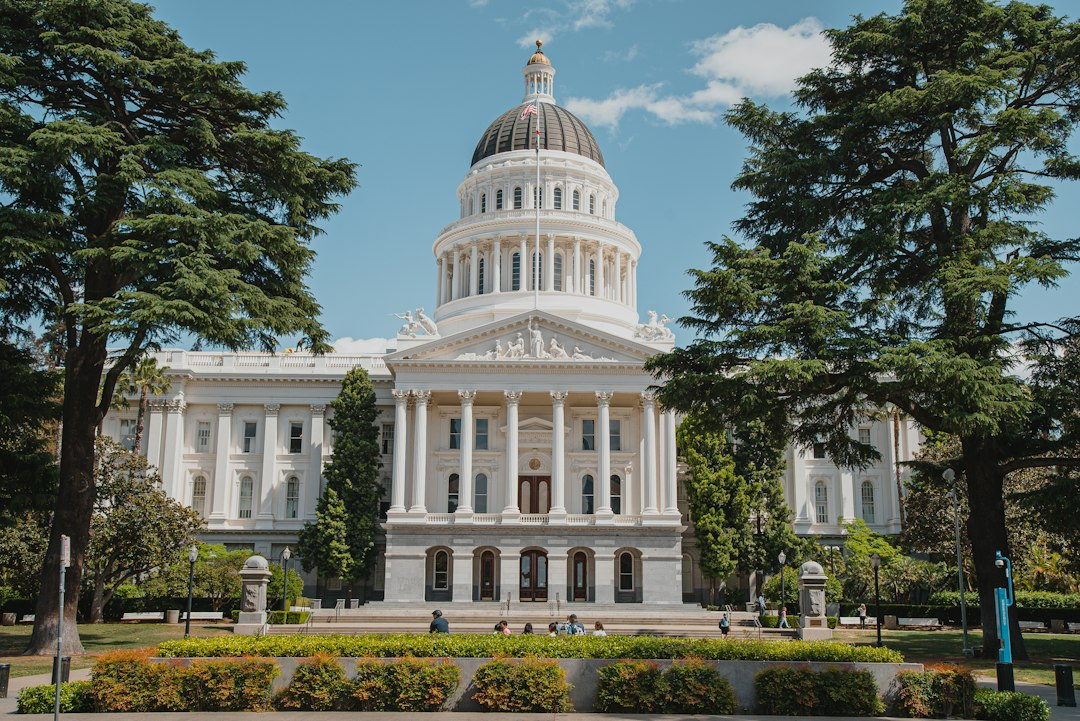
Featured image: California State Capitol, used illustratively. Photo by Josh Hild via Unsplash.
[…] For additional workplace-policy context, AskNovus recently covered California’s new rules governing automated employment decisions. […]