
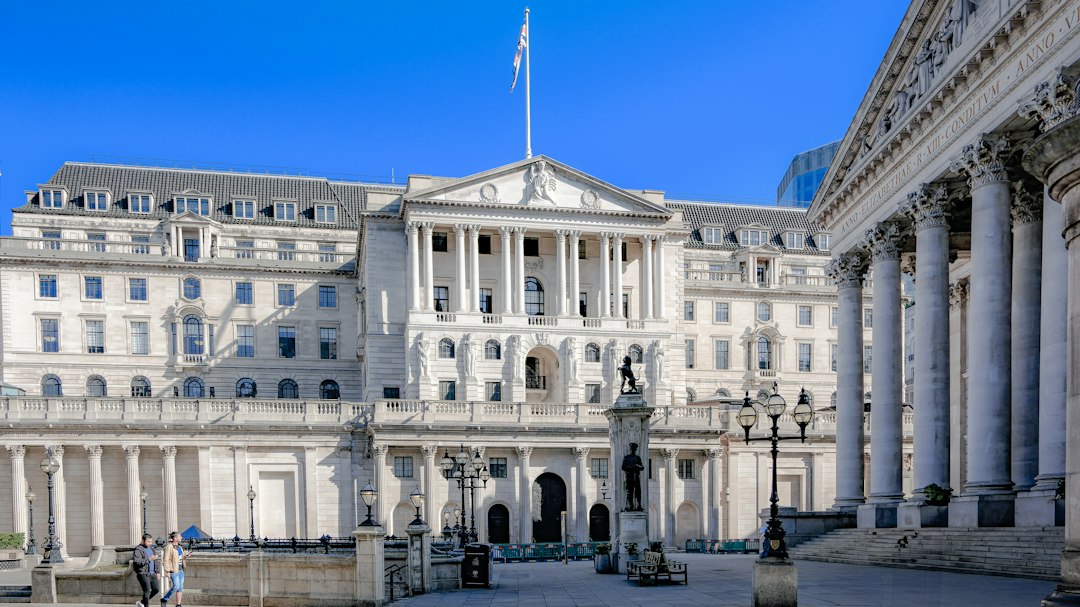
LONDON — September 30, 2026: The Bank of England’s Financial Policy Committee kept the U.K. countercyclical capital buffer at 2% and said risks linked to advanced artificial intelligence, cyber resilience and heavily indebted markets had increased.
The record, published September 30 after the committee’s September 25 meeting, said U.K. households, businesses and banks remained resilient. The FPC said the banking system was strong enough to continue supporting the economy if conditions deteriorated.
Why the 2% buffer matters
The countercyclical capital buffer requires banks to hold extra capital that can absorb losses in a downturn. Keeping it at 2% was a resilience decision, not a forecast that a crisis is certain.
The committee’s concern was that several vulnerabilities could interact. Higher sovereign and corporate borrowing costs can strain indebted borrowers, while rapid deployment of advanced AI may create new operational and cyber risks. The Bank also noted that opaque links among financial firms, technology providers and AI companies could make exposures harder to measure.
AI-related debt is part of the assessment
Reuters reported that global AI-related debt had reached about $450 billion, roughly double the 2025 level. That reported increase does not by itself establish that AI spending caused wider bond-market moves; the FPC’s broader assessment also cited geopolitical tension, energy prices, sovereign issuance and market liquidity.
The committee said it planned further work on bank leverage rules and the gilt repo market. Those proposals are expected in 2027 and are not yet final regulations.
For related context, AskNovus recently reported on U.S. stocks and rising long-term Treasury yields.
This article reports official financial-stability policy and does not provide investment advice.
Sources and image credit
- Bank of England FPC record, published September 30, 2026
- Reuters report, September 30, 2026
- Photo by Sue Winston on Unsplash