
The agency plans to test propulsion fixes on an uncrewed mission before certifying Boeing’s spacecraft to carry astronauts again.
NASA’s revised flight sequence
WASHINGTON — NASA and Boeing laid out a new Starliner development plan on Monday, September 28, following technical problems on the spacecraft’s first crewed flight in 2024. NASA intends to send an uncrewed Starliner-1 mission to the International Space Station first. The agency says that flight could launch in December 2026 or January 2027, but it has not certified Starliner to carry astronauts again.
NASA Administrator Jared Isaacman said the agency’s current plan is to return astronauts on Starliner-2 by 2028. That is a target, not a guaranteed launch date: NASA says the uncrewed mission must supply flight data, followed by further changes, tests, and certification. Reuters independently reported the 2028 plan and the work on spacecraft components.
What engineers are testing
NASA’s investigation into the 2024 Crew Flight Test identified 61 recommendations. It found that service-module thrusters operated outside their engineering qualification and that thermal conditions and design features contributed to their performance problems. Boeing has made thermal modifications that NASA plans to evaluate on Starliner-1. After that flight, the partners plan an additional thruster-valve change, along with other spacecraft improvements.
The 2024 mission carried NASA astronauts Butch Wilmore and Suni Williams to the station, but Starliner returned without them after the spacecraft encountered problems. The astronauts later came home aboard a SpaceX vehicle. That history explains why NASA is putting an uncrewed verification flight ahead of the next astronaut mission rather than treating a target year as evidence of readiness.
Why the plan matters
NASA says it wants more than one U.S. system capable of transporting crews to low Earth orbit. It intends to exercise options for additional Starliner station flights and to work with Boeing and United Launch Alliance to certify the Vulcan rocket after the final Atlas V flight. Those steps depend on future work and should not be mistaken for completed certification.
The next concrete milestone is the uncrewed Starliner-1 flight. Its timing and results will determine what NASA can conclude about the propulsion changes. For a separate look at how the agency tests and updates assessments of space hazards, read our guide to how NASA tracks near-Earth asteroids.
Sources
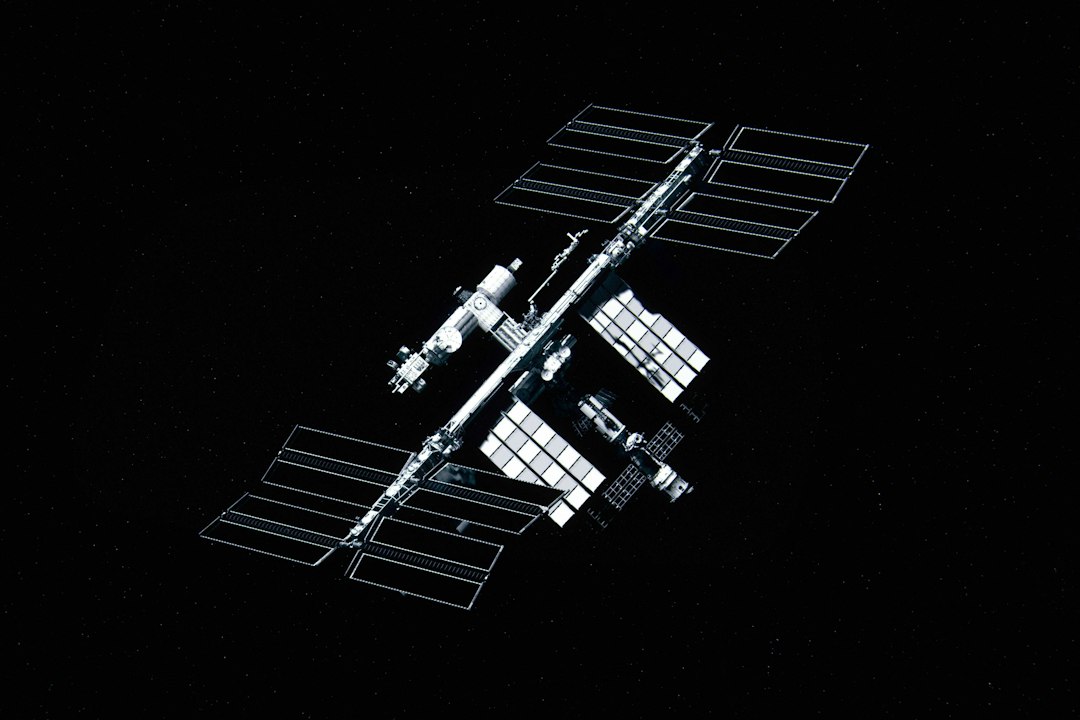
Featured image: the International Space Station photographed by Norbert Kowalczyk, via Unsplash. This illustrative image does not show Starliner or the planned test flight.
[…] more consequential as missions multiply. For context on another NASA program, see AskNovus’s Starliner crew-flight update and its guide to near-Earth asteroid […]