
A new UNHCR report warns that cuts to registration, child protection and other services could leave millions of displaced people without vital support.
What UNHCR reported
GENEVA — The UN High Commissioner for Refugees published a report on Tuesday, September 29, describing how a prolonged funding shortfall is affecting protection services. UNHCR warned that nearly 8.3 million people may lose access to vital assistance as programs are reduced or interrupted. Reuters and Agence France-Presse independently reported the agency’s assessment.
UNHCR’s available funding declined from about $5.2 billion in 2024 to $3.9 billion in 2025, according to AFP’s account of the report. By the end of July 2026, it had received about 32% of the $8.5 billion required for this year. Those figures compare resources with stated needs; they do not mean that every program has stopped or that all 8.3 million people face the same loss.
Where the cuts are being felt
UNHCR says registration delays in Chad affect about 319,000 refugees. Registration documents can be essential for access to services and protection. Reuters reports that in Sudan, about 140,000 refugees and asylum seekers remained unregistered by midyear after registration activities were suspended during the first five months of 2026.
The agency also points to reduced child protection and support for survivors of violence. AFP reports that about 233,000 children in Chad could lose child protection services. These are prospective and location-specific warnings; they should not be added together to estimate a worldwide total because the groups and services may overlap.
Why funding flexibility matters
UNHCR says an increasing share of donations is restricted to designated uses, reducing its ability to move money toward the most urgent gaps. Reuters reported that tightly earmarked funding reached 51% in 2026, compared with 19% five years earlier. In a September 4 briefing, the High Commissioner also told member states that more than half of projected 2026 funding was tightly earmarked and that the organization had to prioritize its work.
The next question is whether donors provide enough additional and flexible support to keep essential protection programs running. The report documents an immediate risk, not a prediction that every threatened service will close. For background on where refugee and other global issues are raised by governments, see our guide to the UN General Assembly’s 2026 high-level week.
Sources
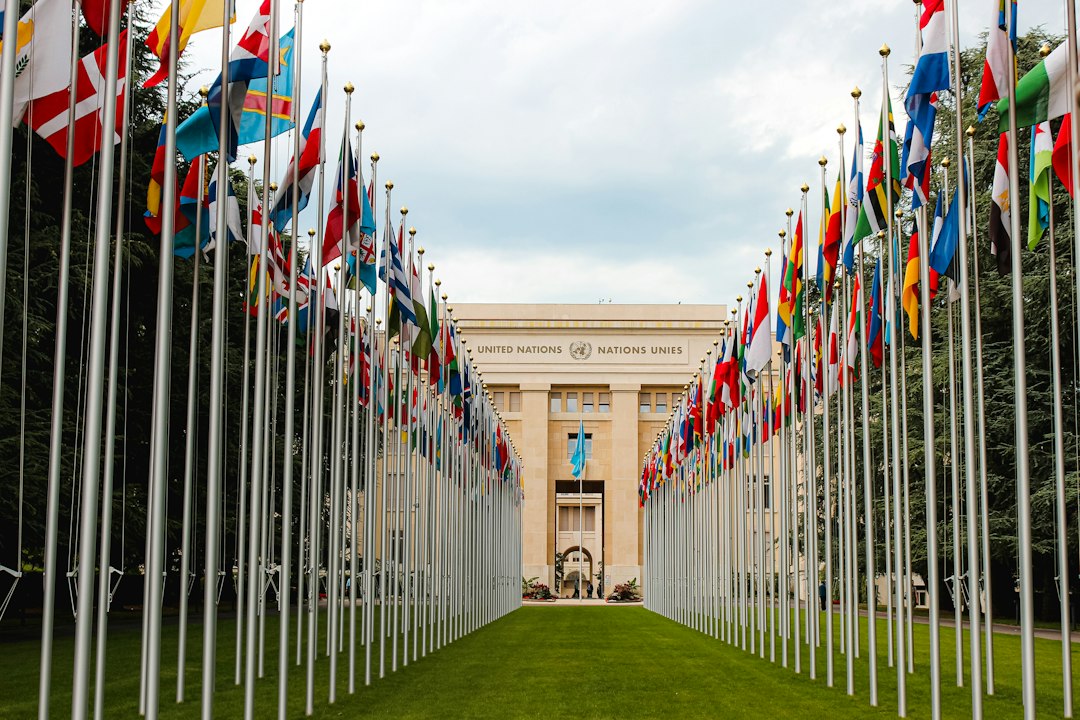
Featured image: flags outside a United Nations building in Geneva, photographed by Mathias Reding, via Unsplash. The image is illustrative and does not depict affected refugees.