
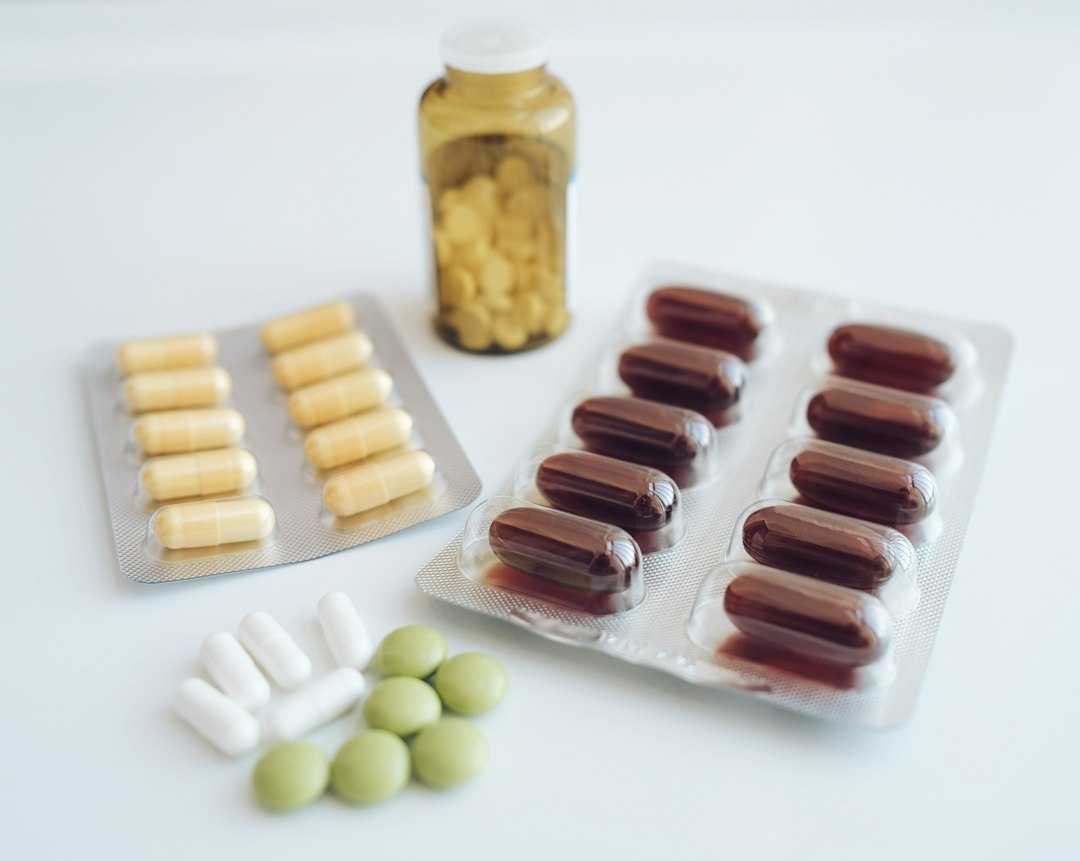
Dietary supplements are regulated differently from drugs. That difference matters when you evaluate a label, a claim or a seller’s promise.
What “FDA approved” usually does not mean here
FDA regulates dietary supplements under a different framework from prescription and over-the-counter drugs. Supplement companies are generally responsible for making sure products are safe and label claims are truthful. Most supplements do not go through the drug-style premarket approval process.
A logo, facility registration or disclaimer is not the same as FDA approval of the finished supplement. If a seller uses “FDA approved,” look for a precise explanation and verify it on an official FDA page.
Read beyond the front label
The Supplement Facts panel shows serving size and listed dietary ingredients. Check how many capsules or scoops make one serving. Compare the amounts with other products and note proprietary blends that may not disclose the amount of each component.
Structure/function language such as “supports” a normal body process is not the same as proof that a product prevents, treats or cures a disease. Strong medical promises are a reason to pause.
Consider interactions and timing
Supplements can have biological effects, interact with medicines or affect medical tests. “Natural” does not mean risk-free. Tell a doctor, pharmacist or other qualified health professional what you take, including teas, powders and gummies—especially before surgery, during pregnancy, for children or when managing a health condition.
Check the seller and product
- Confirm the manufacturer or distributor and contact information.
- Search FDA safety communications and recalls.
- Avoid products promising instant, guaranteed or secret cures.
- Be cautious with testimonials that replace evidence.
- Keep the package and lot number in case a problem must be reported.
If you have a bad reaction
Stop using the product and seek appropriate medical care. Serious problems can be reported to FDA through the Safety Reporting Portal or MedWatch. A report does not prove causation, but it can help regulators identify patterns.
The safest buying decision may be not to buy until a qualified professional has reviewed the product in the context of your medicines and health history.
Sources
This is an original AskNovus guide based on the sources listed above. This article is general educational information, not medical advice. Image credit: Jane Korsak via Unsplash.