
Brazil’s presidential election is headed to a second-round vote on October 25 after neither of the two leading candidates reached the majority needed to win outright in Sunday’s first round.
With nearly 85% of votes reported, right-wing Senator Flávio Bolsonaro led incumbent President Luiz Inácio Lula da Silva by 48.47% to 43.49%, according to a Reuters report published October 4. The count was still incomplete, and Brazil’s official electoral system continued to update the national total as precinct results arrived.
The central fact, however, was no longer in serious doubt: the race would require a runoff. Under Brazil’s electoral rules, a presidential candidate must receive more than 50% of valid votes to win in the first round. Pollster Datafolha projected that neither candidate would cross that threshold.
What the partial count shows
Bolsonaro’s advantage narrowed as more returns were processed. Reuters noted that areas in the country’s south, where Bolsonaro performed strongly, reported faster than parts of the northeast, a Lula stronghold. That sequencing means the late first-round percentages should not be read as a definitive forecast of the runoff.
The official count is administered by Brazil’s Superior Electoral Court, known by its Portuguese initials TSE. The court’s results portal publishes the national presidential total as electronic ballot records are transmitted and processed. The TSE said voters can also inspect turnout, blank and invalid ballots, and individual polling-station records.
For readers following the broader international election calendar, AskNovus has also reported on Latvia’s parliamentary election and Bosnia’s preliminary presidency results.
Why October 25 will be a separate contest
The runoff creates a three-week campaign in which Bolsonaro and Lula will compete for voters who backed other candidates, abstained or submitted blank or invalid ballots in the first round. Pre-election surveys had suggested that the two finalists could be closely matched in a head-to-head contest.
Lula, 80, is seeking a fourth nonconsecutive term. Bolsonaro, 45, is a senator and the son of former president Jair Bolsonaro. Their campaigns have argued over the cost of living, public security, corruption allegations, economic growth and Brazil’s relationship with the United States.
Sunday’s ballot also covered all 513 seats in the Chamber of Deputies and two-thirds of the Senate, as well as state-level offices. Those results will shape the governing environment for whoever wins the presidency, because Brazil’s fragmented Congress can constrain the executive and influence spending, taxation and regulatory policy.
What remains uncertain
The first-round numbers were partial at publication time and may shift as the TSE completes the totalization. They establish the finalists but do not determine the winner of the presidency. The October 25 vote is a new national ballot, and the candidate with the larger valid-vote total in that round will win.
Because Brazil’s official results update continuously, readers should use the TSE portal for the newest figures rather than treating any single snapshot as final. AskNovus will update coverage when the electoral court completes the count or when the runoff produces a certified result.
Sources
- Tribunal Superior Eleitoral, “Divulgação dos resultados das Eleições 2026,” accessed October 4, 2026
- Tribunal Superior Eleitoral, “Terminada a votação, saiba como acompanhar os resultados das eleições,” October 4, 2026
- Reuters, “Brazil election headed to runoff, projection shows, as Bolsonaro lead narrows,” October 4, 2026
- Associated Press, Brazil election live coverage, October 4, 2026
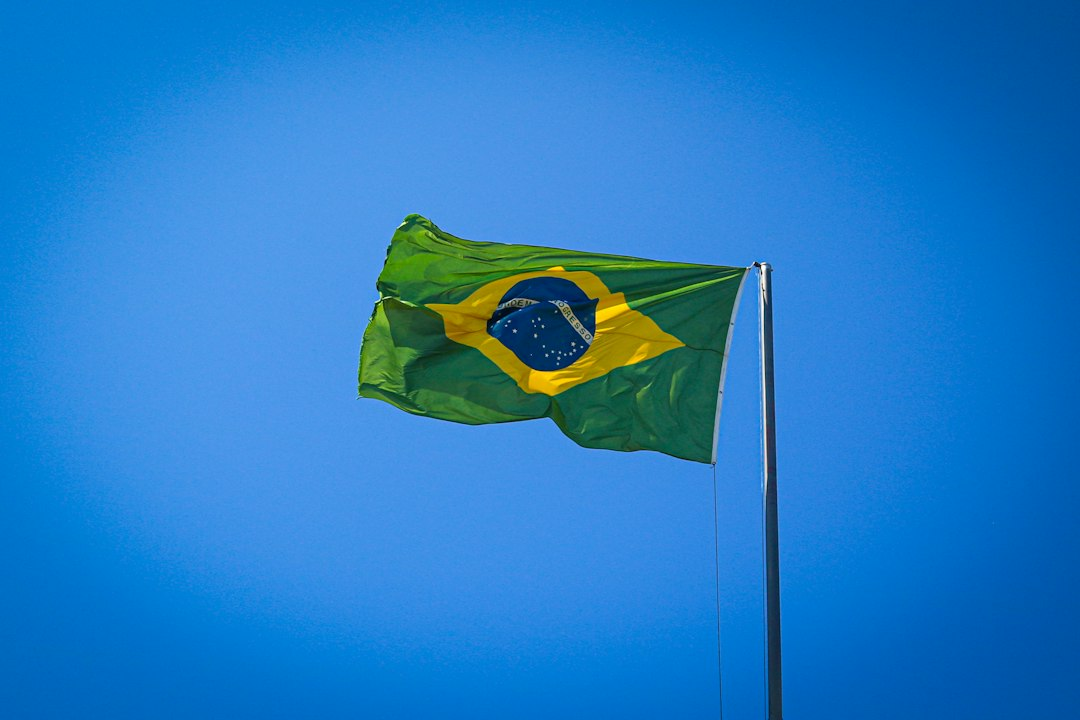
Featured image: Samuel Costa Melo via Unsplash.
[…] is also following other major political developments, including Brazil’s October 25 presidential runoff and Latvia’s parliamentary election […]