
WASHINGTON, Sept. 30, 2026 — Four senior U.S. senators introduced a bipartisan energy and infrastructure permitting bill Wednesday that would change federal project reviews, expand transmission planning and require data centers to pay the transmission costs associated with their electricity demand.
The proposal, titled the Bipartisan American Affordability and Jobs Act of 2026, was introduced by Sens. Martin Heinrich, D-N.M.; Mike Lee, R-Utah; Shelley Moore Capito, R-W.Va.; and Sheldon Whitehouse, D-R.I. The four lawmakers lead the Senate committees responsible for energy and environmental policy.
The measure is a bill, not current law. The Associated Press reported that a Senate vote is not expected until after the November midterm elections, and its final language could change as it moves through Congress.
What the bill would do
The proposal addresses several parts of the federal permitting process for energy and infrastructure projects. Its sponsors say it is designed to shorten delays while retaining environmental reviews and formal tribal consultation.
According to the senators’ September 30 announcement and AP’s review, the bill would:
- Give permitted energy and infrastructure projects greater certainty that their permits will remain valid unless extraordinary circumstances, a violation of law or a court order requires a change;
- Limit some legal challenges under the National Environmental Policy Act and the National Historic Preservation Act;
- Make it easier to site interstate electricity-transmission lines;
- Strengthen the Federal Energy Regulatory Commission’s ability to review major projects alongside state proceedings; and
- Require data centers to pay all transmission costs associated with their projects.
The legislation also includes targeted provisions for multiple types of energy projects, though its practical effect would depend on agency implementation and any changes made during the legislative process.
Why the data-center provision matters
Large data centers require substantial amounts of electricity, and the growth of artificial-intelligence computing is adding new demand in several U.S. power markets. Meeting that demand can require new substations, long-distance transmission lines and other grid upgrades.
The bill’s sponsors say data centers should pay the full transmission costs connected to their projects instead of shifting those expenses to households and other businesses through utility rates.
That language does not establish a nationwide data-center electricity price, and it does not determine the cost of any individual project. Transmission expenses vary by location, utility territory, interconnection requirements and the upgrades needed to serve a facility.
The provision also would not take effect merely because the bill was introduced. Both chambers of Congress would have to approve legislation and the president would have to sign it before agencies and regulators could implement the requirement.
AI infrastructure is driving the debate
The power needs of AI computing have become a central issue in energy and technology policy. Data-center operators and hardware companies are expanding computing capacity while utilities assess how quickly they can connect new loads without reducing reliability or placing added costs on existing customers.
Recent corporate announcements illustrate the scale of the buildout. AskNovus reported that Hewlett Packard Enterprise won a $1.2 billion order for AMD-based AI systems from Vultr. Separately, AMD agreed to acquire World Labs in an $8.2 billion all-stock transaction, subject to regulatory approval and closing conditions.
Those business developments do not establish the bill’s need or determine its outcome. They do show why lawmakers are increasingly connecting AI investment with electricity generation, transmission capacity and cost allocation.
Changes to environmental review
The National Environmental Policy Act requires federal agencies to study the environmental effects of major actions before approving them. The National Historic Preservation Act includes a review process intended to protect historic places and tribal cultural resources.
The Senate proposal would restrict some legal challenges under both statutes. Supporters argue that existing reviews and litigation can make projects take years or decades to complete. Critics of permitting reform have warned that tighter limits could weaken public participation, reduce scrutiny and make it harder to challenge damaging projects.
The sponsors describe their agreement as a compromise. Heinrich said the measure preserves environmental safeguards and tribal consultation, while Lee and Capito emphasized faster decisions and greater certainty for developers. Whitehouse said the legislation could support clean energy while preventing data-center grid costs from falling on households.
Transmission lines and FERC authority
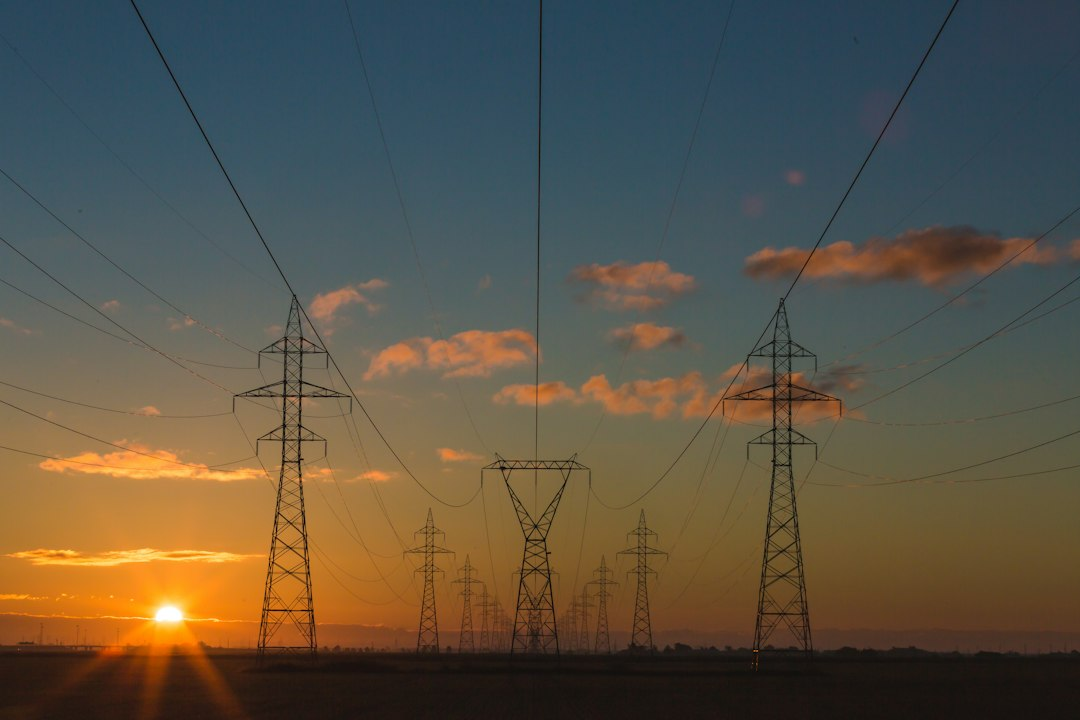
Building power plants does not by itself deliver electricity to customers. New transmission lines are often required to move power between regions and connect new generation or large users to the grid.
The bill would ease the siting of interstate transmission and strengthen the Federal Energy Regulatory Commission’s authority to review major projects at the same time as state proceedings. Supporters argue that parallel reviews could shorten the overall process.
States, utilities, federal agencies, landowners and tribal governments can all play roles in transmission development. The exact effect of the proposal will depend on the final statutory text, implementing regulations and how courts interpret the new provisions.
Renewable-energy dispute remains unresolved
AP reported that Democratic sponsors are still seeking clarity on whether the Trump administration will allow previously approved wind and solar projects to proceed. Whitehouse described the broader dispute over renewable projects as unresolved.
That issue could affect the coalition supporting the bill. Republicans generally want faster approval of fossil-fuel, mining and transmission projects, while Democrats have emphasized clean-energy generation and the grid infrastructure needed to connect it.
The four sponsors’ agreement is significant because it brings together the top Republican and Democratic senators on the relevant committees. It does not guarantee enough votes for passage, especially if disputes over renewable projects or environmental-review limits intensify.
What happens next
The measure is expected to remain pending until lawmakers return after the November midterm elections. Lee told AP he believes it can pass during the post-election session, but that is a prediction by a sponsor rather than a scheduled outcome.
Key steps still include committee consideration, possible amendments, votes in the Senate and House, reconciliation of any different versions, and presidential action. Businesses, utilities and consumers should not treat the introduced bill as an immediate change to permitting rules or electricity rates.
Bottom line
The bipartisan bill represents a substantial congressional effort to speed energy and infrastructure permitting while confronting the grid costs created by large data centers. Its most direct consumer-facing promise is that data centers would cover their associated transmission expenses. Whether that provision becomes law—and how regulators would calculate those costs—remains unsettled.
Sources
- Office of Sen. Martin Heinrich, bill announcement and sponsor summary, Sept. 30, 2026.
- Associated Press, “Senate reaches bipartisan deal on permitting bill to speed approvals of new energy projects,” Sept. 30, 2026.
Featured image: Matthew Henry via Unsplash.