
September 30, 2026 — The U.S. Department of Agriculture says it is raising planned financial assistance for its Regenerative Pilot Program from $700 million to $1 billion for fiscal year 2027. The department says farmers and ranchers can now apply through their local Natural Resources Conservation Service office, subject to their state’s ranking dates.
Where the money is planned to go
USDA says $650 million will come through the Environmental Quality Incentives Program and $350 million through the Conservation Stewardship Program. The pilot uses a whole-farm application intended to address soil, water and other resource concerns together. The announcement describes opportunities for both producers starting conservation work and those building on existing practices.
The agency also plans more local flexibility. State Technical Advisory Committees may add practices that reflect conditions and production systems in their areas. For the Conservation Stewardship Program, USDA says the resource-concern threshold for the pilot will move from 100% to 75% in fiscal 2027. Monitoring options will be tailored to cropland, grazing land and forestry operations.
What an applicant should check
Producers should contact their local NRCS Service Center about the state ranking deadline, eligibility and which practices fit their operation. USDA says applications for the two funding programs can use the pilot’s single regenerative application process. An application is a request for assistance, not an award; local review and available funding still matter.
USDA reports that NRCS obligated more than 5,100 contracts totaling over $851 million for whole-farm conservation practices in the previous fiscal year. The $1 billion figure in this announcement describes planned fiscal 2027 assistance, not money already paid to producers.
Source: USDA announcement, September 29, 2026. AskNovus original explanation of the program changes.
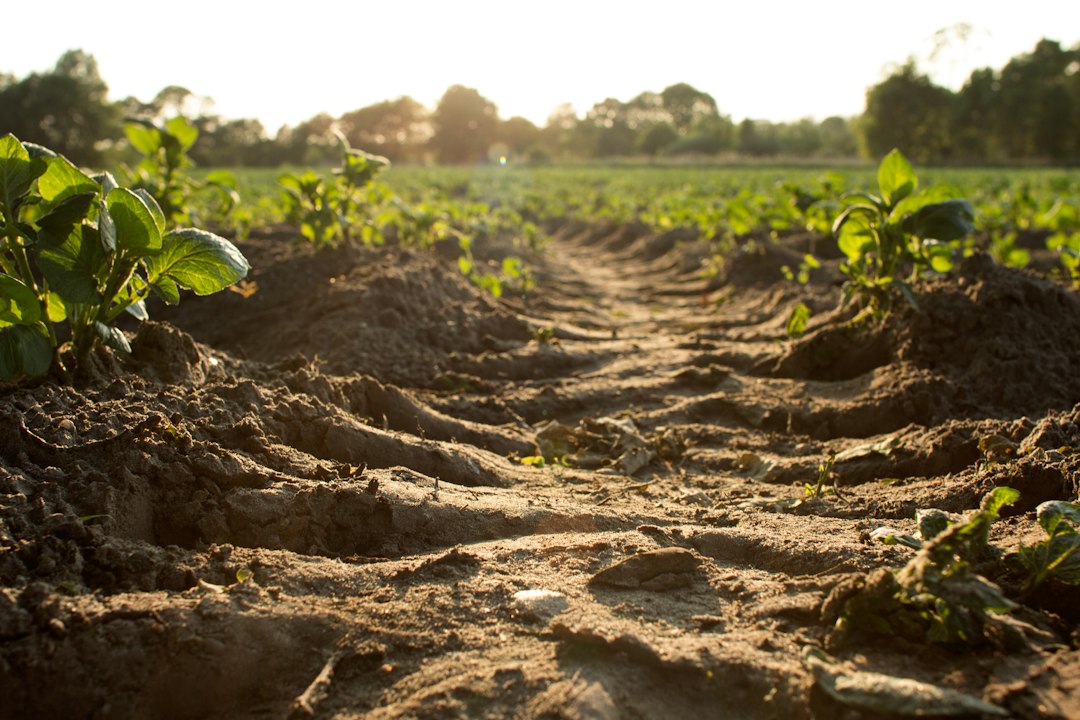
Illustrative farmland image: Dylan de Jonge / Unsplash.