
September 30, 2026 — A World Health Organization discussion has put a practical question in focus: as artificial intelligence helps researchers examine traditional medicine knowledge, who controls the underlying records, receives credit and shares in any benefits? At a September 22 event alongside World Intellectual Property Organization consultations, experts discussed consent, ownership and governance of knowledge held by Indigenous Peoples and local communities.
Why AI changes the stakes
Digitized databases can make traditional knowledge easier to study and compare. They can also allow information to travel far beyond the community that supplied it. WHO’s account says panelists saw potential for AI-assisted research and drug discovery, while warning that the technology could make it harder to trace a contribution back to its knowledge holders.
The discussion covered prior informed consent, attribution and benefit-sharing. Participants also considered models in which data can be governed across separate systems rather than collected under one unrestricted owner. These were proposals and topics of debate, not a new global rule announced by WHO.
What remains unresolved
Rules for intellectual property and community rights differ across countries. A database might support research in one jurisdiction while leaving questions about permission or payment in another. WHO said speakers called for Indigenous Peoples and local communities to be partners in stewardship and governance, rather than simply sources of data.
The event did not establish that a particular traditional remedy is safe or effective. WHO representatives emphasized evidence-informed research alongside protection of knowledge, biodiversity and community rights. The next test for any policy proposal will be whether consent, provenance and fair benefit-sharing can be made workable in real research agreements.
Source: WHO departmental update, September 29, 2026. AskNovus original reporting and explanation of the discussion.
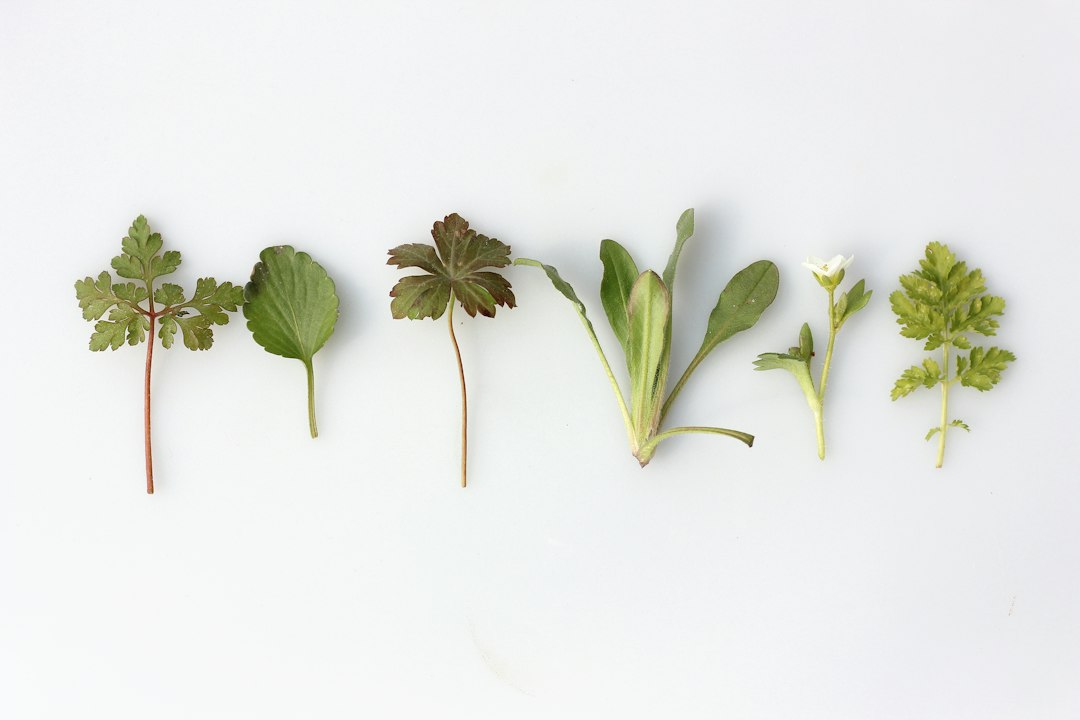
Illustrative plant image: Angèle Kamp / Unsplash; it does not portray the WHO event.