
Karl Deisseroth, Peter Hegemann and Georg Nagel received the 2026 Nobel Prize in Physiology or Medicine on Monday, October 5, for discoveries that made it possible to control selected cells with light and helped establish optogenetics as a central neuroscience tool.
The Nobel Assembly at Karolinska Institutet cited the three scientists “for their discoveries concerning light-gated ion channels and optogenetics.” The award recognizes a chain of research that began with light-sensitive proteins in microorganisms and ultimately gave scientists a precise way to switch nerve cells on or off.
What optogenetics does
Optogenetics combines genetics and light. Researchers introduce instructions for a light-sensitive protein into selected cells, often neurons. When those cells are exposed to a particular wavelength of light, the protein opens or closes an ion channel, changing the cell’s electrical activity.
That precision helps researchers test cause and effect in neural circuits. Instead of only observing which brain regions are active during a behavior, scientists can activate or silence defined groups of cells and study resulting changes in movement, memory, emotion and other functions.
How the discoveries developed
Hegemann’s research on the single-celled green alga Chlamydomonas helped identify how the organism responds to light. Hegemann and Nagel demonstrated that channelrhodopsins could function as light-gated ion channels in other cells.
Deisseroth later applied that principle to neurons, turning the proteins into a practical research system for controlling nerve-cell activity with light. The approach became known as optogenetics and spread rapidly through neuroscience laboratories.
The Nobel committee’s background material describes how the method opened a new way to investigate the circuits behind behavior. Reuters and the Associated Press reported that it is now widely used to study conditions including Parkinson’s disease, epilepsy, depression, addiction, dementia and vision loss.
Research tool, not a routine treatment
Optogenetics has transformed laboratory research, but readers should distinguish that impact from an approved general-purpose therapy. Most uses remain experimental because delivering light-sensitive genes and precisely illuminating targeted cells inside the human body present technical and safety challenges.
Clinical research is exploring applications such as restoring limited visual function in some forms of inherited blindness. Those efforts do not mean optogenetic treatment is currently available for the broad range of neurological and psychiatric conditions studied with the technique.
The laureates
Deisseroth is a professor at Stanford University and a practicing psychiatrist. Hegemann is affiliated with Humboldt University of Berlin, and Nagel works at the University of Würzburg. The three laureates will share the Nobel award.
The medicine announcement opened the 2026 Nobel week. Additional prizes are scheduled in physics, chemistry, literature, peace and economic sciences.
For more coverage of discoveries and their real-world implications, visit AskNovus Science and Health News.
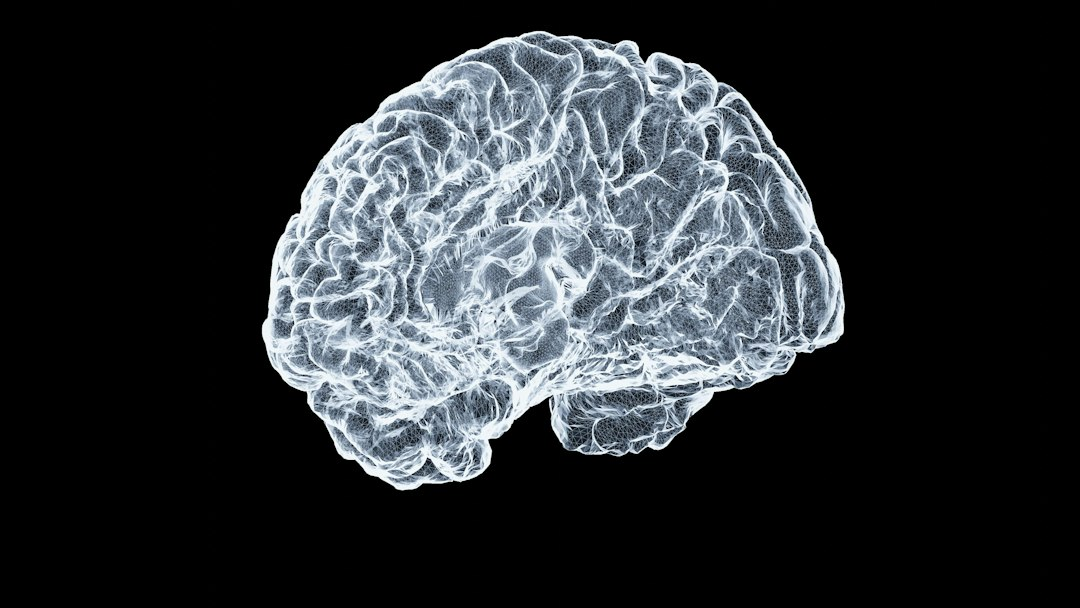
Featured image is illustrative. Photo: Shawn Day/Unsplash.
Sources
- Nobel Prize — 2026 Physiology or Medicine press release, October 5, 2026
- Nobel Prize — popular information on light-gated ion channels and optogenetics, October 5, 2026
- Reuters — Nobel medicine prize report, October 5, 2026
- Associated Press — Nobel medicine prize report, October 5, 2026