
U.S. Southern Command said it carried out a lethal strike on a vessel in the Caribbean on Sunday, October 4, killing four people in the latest operation in Washington’s expanding maritime campaign.
The command described the target as a “go-fast” boat traveling along what it called established narcotics-trafficking routes. It said intelligence had confirmed the vessel was engaged in trafficking, but it did not release evidence identifying the people aboard, the cargo or the intelligence used to make that assessment.
What the military confirmed
In its October 4 statement, Southern Command said U.S. forces conducted a “lethal kinetic strike” on the vessel and that four people were killed. The brief release did not identify the boat’s nationality or give a more precise location in the Caribbean.
Those are the facts the command has put on the record. Its description of the people aboard as “narco-terrorists” and its assertion that the boat was carrying narcotics remain government claims that have not been independently demonstrated in public.
The Associated Press and Reuters independently reported the announcement. Both noted the absence of publicly released evidence about the specific vessel.
A campaign drawing legal scrutiny
AP reported that at least 235 people have been killed in 70 U.S. strikes since the maritime campaign began in September 2025. The administration has framed the operations as part of an armed conflict with drug-trafficking organizations, while legal experts and civil-liberties groups have questioned whether lethal force is lawful when the targets are not shown to pose an imminent threat.
Reuters reported that human-rights experts have criticized the campaign as involving extrajudicial killings. The administration and the military have defended the strikes as necessary to disrupt organizations they say move drugs toward the United States.
The competing descriptions matter. A military statement can establish that the United States says it conducted a strike, when it occurred and the casualty count it reported. It does not, by itself, independently establish every allegation about the people or cargo aboard the targeted vessel.
What remains unanswered
Southern Command’s release did not say whether surveillance recorded cargo on the boat, whether authorities attempted an interception, or whether any partner government participated. It also did not disclose the legal authority cited for this particular strike.
More information could emerge through a longer Pentagon statement, congressional oversight or disclosures from governments in the region. Until then, the central unresolved questions are the identity of those killed, the evidence behind the trafficking assessment and the rules used to authorize lethal force.
The announcement comes as the United States continues a broader security posture that includes long-range aviation and missile monitoring. AskNovus recently reported on U.S. B-1 bombers departing RAF Fairford and North Korea’s latest missile test.
Sources
- U.S. Southern Command statement, October 4, 2026
- Associated Press report, October 5, 2026
- Reuters report, October 5, 2026
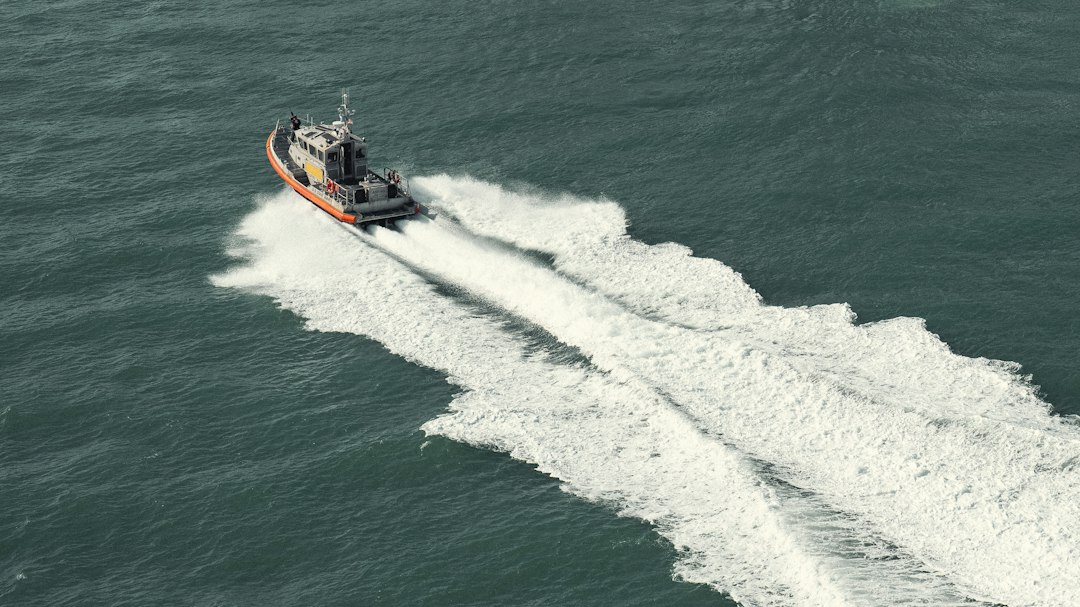
Featured image is illustrative and does not show the vessel involved in the strike. Photo: Dennis Zhang/Unsplash.