
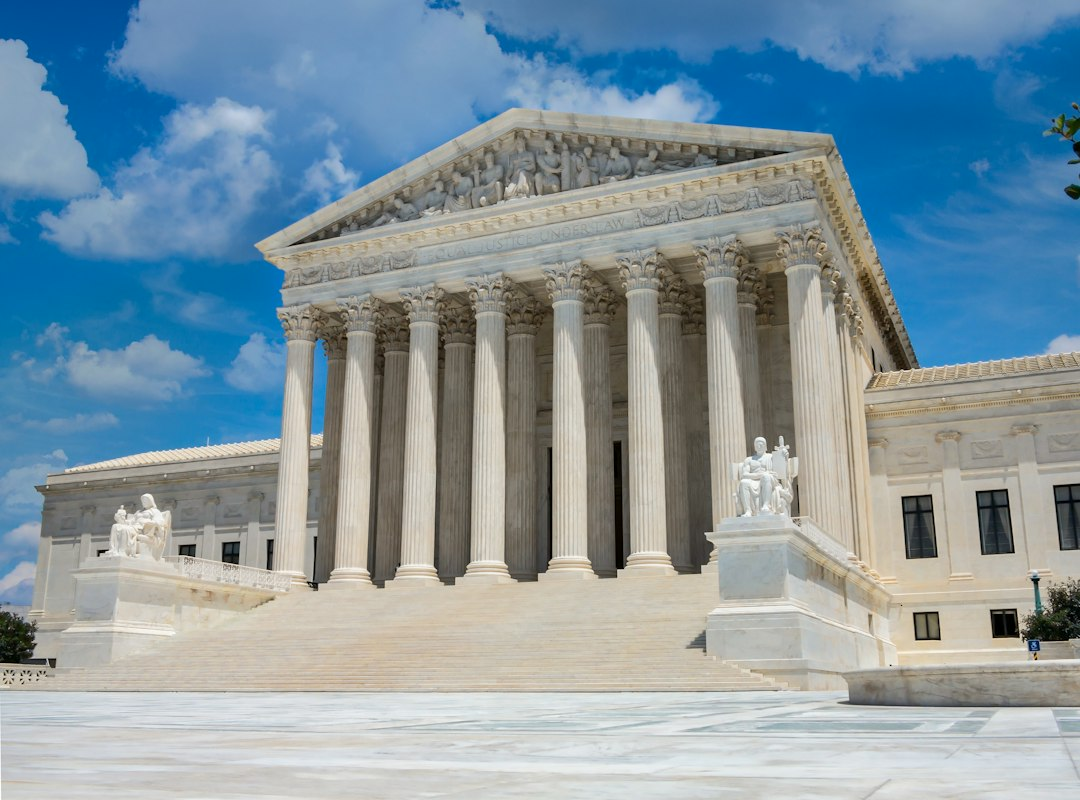
Updated Oct. 6, 2026. The U.S. Supreme Court heard arguments Monday in a closely watched climate-liability case involving Boulder County, Colorado, and energy companies Suncor and Exxon Mobil. The questioning focused on federal preemption, the reach of state law and whether the court should decide the dispute at this stage.
The Supreme Court docket for case No. 25-170 shows the matter was set for argument Oct. 5 after the justices granted review in February. Reuters reported on Oct. 6 that the justices pressed both sides on the practical and jurisdictional consequences of the case.
What Boulder and the companies argued
Boulder County and other Colorado local governments allege that the companies violated state law by misleading the public about climate risks and should help pay for local harms. Suncor and Exxon deny wrongdoing and argue that claims tied to global greenhouse-gas emissions are governed or displaced by federal law, including the Clean Air Act.
The dispute does not ask the justices to calculate damages or decide that the companies are liable. The immediate questions concern whether Boulder’s state-law case can proceed, whether federal law preempts the claims and whether the Supreme Court has statutory and constitutional jurisdiction to hear the appeal now.
What the justices focused on
Chief Justice John Roberts raised concerns about the number of similar cases that could follow if Boulder’s theory survives. Justices Sonia Sotomayor and Ketanji Brown Jackson questioned parts of the companies’ preemption and timing arguments, according to Reuters’ account of the hearing.
Those questions do not reliably predict the final vote. Oral argument is a way for the justices to test competing legal theories, and no decision was announced.
Why the ruling could have broad effects
Nearly 60 state and local governments have brought related climate suits, the companies told the court. A ruling that federal law blocks Boulder’s claims could make it harder for some of those cases to proceed. A ruling allowing the case to continue would not establish liability; it would return the dispute to further litigation.
Justice Samuel Alito is recused, leaving eight justices participating. An evenly divided court is therefore possible, although the court could also resolve the case on a narrower jurisdictional ground.
What happens next
The justices will confer and circulate draft opinions. A decision is expected by the end of the court’s term, typically in June 2027, but no exact date is guaranteed.
More reporting is available in AskNovus’ Climate and Crime & Courts sections.
Sources
- U.S. Supreme Court docket, No. 25-170, accessed Oct. 6, 2026.
- Reuters argument report, Oct. 6, 2026.
Featured image: Fine Photographics via Unsplash.