
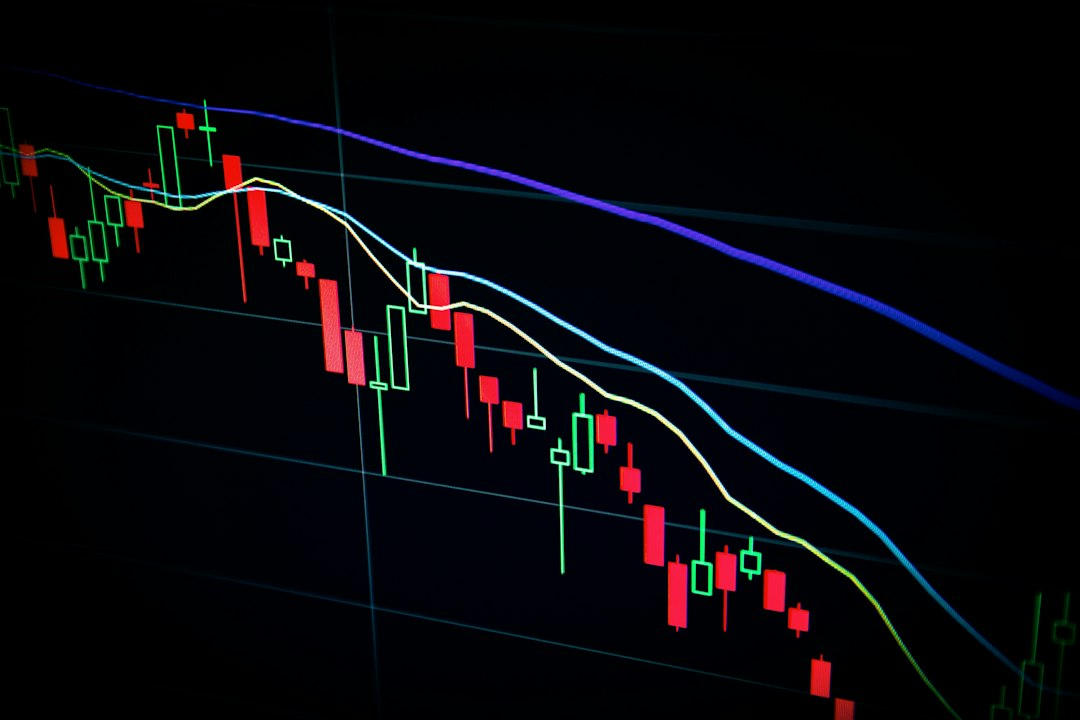
Investors showed strong demand at Wednesday’s $39 billion auction of 10-year U.S. Treasury notes, helping pull the benchmark yield back after it reached its highest level in 24 years earlier in the day.
The October 7 auction cleared at a high yield of 5.30%. Bids totaled 2.77 times the amount offered, above the recent average of about 2.55. Indirect bidders, a category that includes many overseas institutions, took 80.3% of the notes, while primary dealers were left with only 2.5%, according to auction data reported after the sale.
Yields retreated after the sale
The benchmark 10-year yield had climbed as high as roughly 5.36% before the auction, a level not seen since 2002. It fell toward 5.27% after the results indicated buyers were willing to absorb the supply. Bond yields move in the opposite direction from prices.
The 30-year Treasury yield also touched a 24-year high earlier Wednesday. Reuters reported that the 30-year yield was near 5.70% in late-morning trading, while the two-year yield was little changed near 4.78%. Those figures are intraday readings and may move before the market closes.
The result matters because investors had been concerned that heavy government borrowing, persistent inflation and large private-sector financing needs could weaken demand for long-term debt. A well-received auction does not eliminate those pressures, but it showed that higher yields attracted buyers at this sale.
Oil and inflation concerns shaped trading
Oil prices above $100 a barrel added to inflation worries during the morning. Higher energy costs can feed into transportation and production expenses, complicating the Federal Reserve’s effort to return inflation to its 2% goal.
Stocks also pulled back from recent records as long-term borrowing costs rose. Higher Treasury yields can pressure stock valuations and lift financing costs for mortgages, companies and governments. The S&P 500 and Nasdaq were lower during afternoon trading, though intraday market levels can change quickly.
What investors are watching next
The Treasury is scheduled to sell $22 billion of 30-year bonds on Thursday. Demand at that auction will offer another test of appetite for long-dated U.S. debt.
Investors are also awaiting the Federal Reserve’s minutes from its September 15–16 policy meeting. The Fed raised its target range by a quarter percentage point to 3.75%–4.00% at that meeting. This report does not infer anything from the minutes before their official release.
Readers can review TreasuryDirect’s official auction-results page, the Reuters bond-market report dated October 7 and the Federal Reserve’s September 16 policy statement.
For continuing coverage, visit AskNovus Markets and Economy.
Image credit: Maxim Hopman via Unsplash.
[…] That nuance is important for borrowers and investors. A higher federal-funds target can influence credit-card, auto-loan and other short-term borrowing costs, while mortgage rates and longer-term yields also reflect inflation expectations, economic growth and term premiums. The recent rise in Treasury yields has already tightened some financial conditions; AskNovus reported separately on the latest 10-year Treasury auction after yields reached a 24-year high. […]