
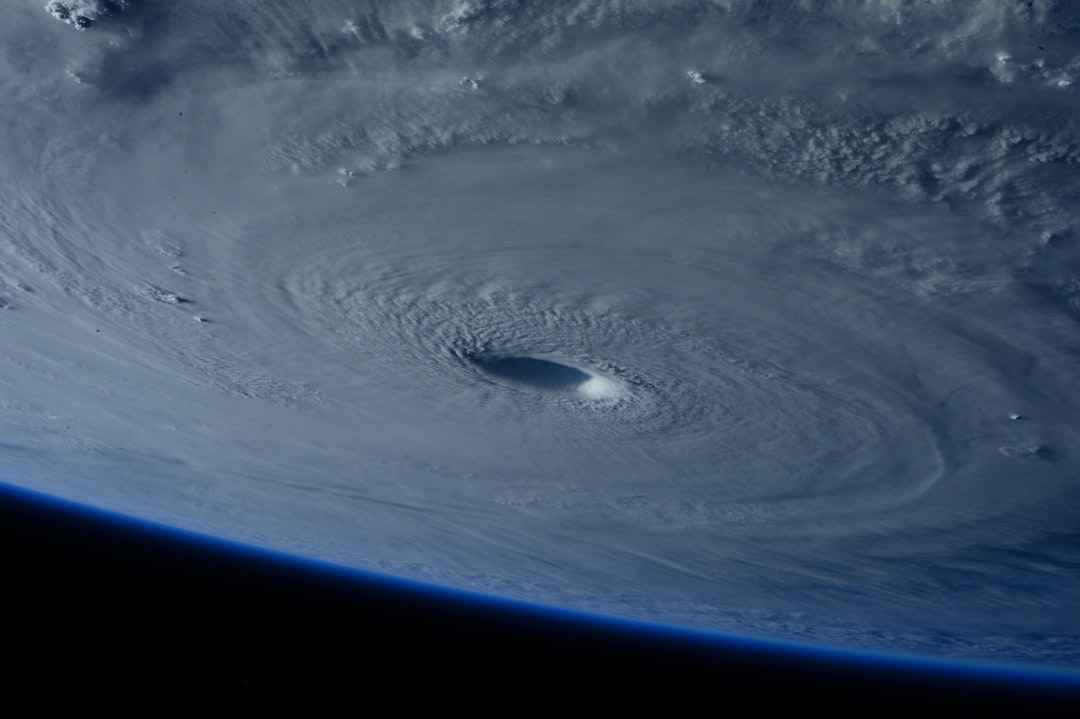
The calendar may say fall, but the Atlantic hurricane season is not finished. NOAA’s climatology shows that the basin’s busiest stretch typically runs from mid-August into mid-October, with a statistical peak around September 10.
At a glance
- The Atlantic season officially runs from June 1 through November 30.
- A quieter seasonal forecast does not eliminate the risk of a damaging storm.
- Preparation is most useful before a watch or warning is issued.
Peak season is a curve, not a deadline
The familiar September 10 peak describes the point when Atlantic tropical activity is most common across many years. It is not a cutoff. Storms can develop on either side of that date, and October systems can still affect the United States, the Caribbean, Mexico and Atlantic islands.
NOAA’s 2026 outlook called for a below-normal Atlantic season. That forecast describes the season as a whole; it does not predict whether a specific town will be hit. Even a season with fewer named storms can produce a dangerous landfall.
What residents can do now
Start with information you can act on. Know whether your home is in an evacuation zone, identify more than one route away from the coast, and decide where family members will meet if communications are disrupted. The National Weather Service also recommends building an emergency kit, reviewing insurance and protecting important documents.
Check forecasts from the National Hurricane Center or your local National Weather Service office. Social posts and model screenshots can be useful clues, but they are not substitutes for an official watch, warning or local evacuation order.
Why preparation still pays off
Hurricane hazards are not limited to the storm’s center. Heavy rain, inland flooding, tornadoes, dangerous surf and power outages can occur well away from the forecast track. A simple plan—medicines, water, flashlights, charged devices and a way to receive alerts—can reduce last-minute decisions when conditions deteriorate.
Sources
- NOAA: 2026 Atlantic hurricane season outlook
- NOAA: Tropical cyclone climatology
- National Weather Service: Hurricane safety
AskNovus links readers to the original official sources so you can review the underlying information directly.
This is an original AskNovus explanation based on the linked sources. It does not reproduce a publisher’s article. Featured image: NASA via Unsplash. Information may change after publication; check the official sources for the latest details.