
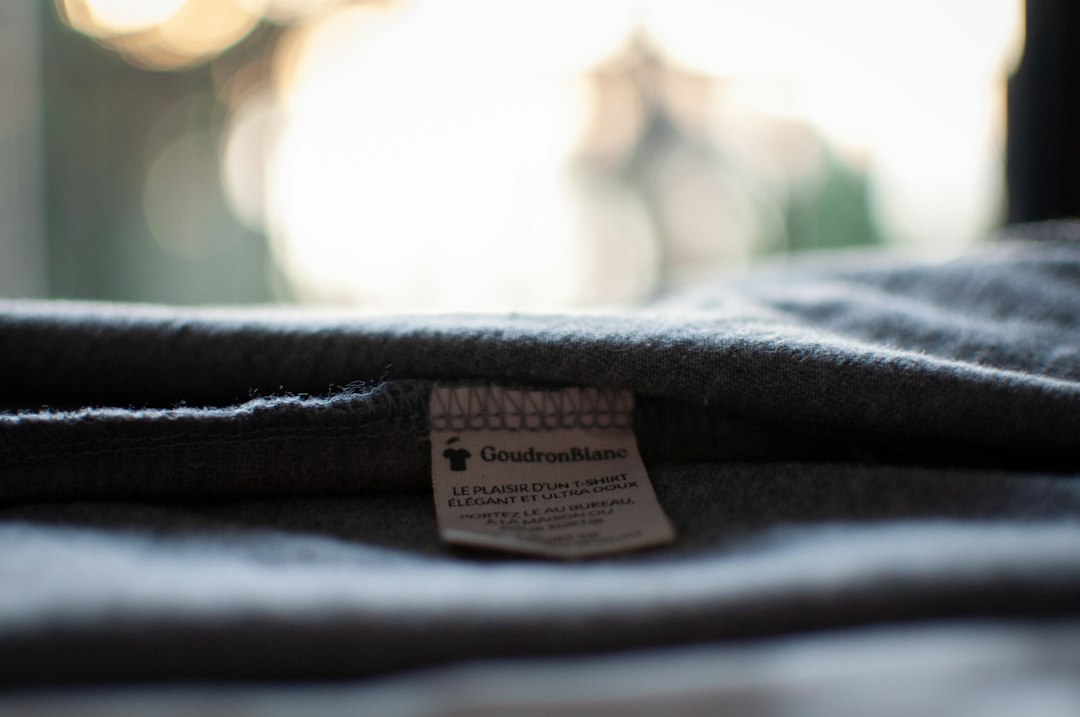
The price tag tells you what clothing costs today. The care label hints at what it may cost—in time and money—over its useful life.
Why the care label matters
In the United States, the FTC’s Care Labeling Rule requires manufacturers and importers of covered apparel to provide regular care instructions. Those instructions are designed to tell you at least one safe cleaning method. They do not promise that every possible method is safe.
Before buying, imagine the garment in your normal routine. “Dry clean only,” hand washing, flat drying or low-temperature restrictions can add cost or effort. That does not make the item bad; it makes the care requirement part of the buying decision.
Read the instructions in order
Washing
Look for machine-wash, hand-wash or dry-clean guidance and the recommended temperature. Cold water can reduce energy use and color transfer, but follow the garment’s instruction when it is more restrictive.
Bleaching
A label may allow any bleach, only non-chlorine bleach or no bleach. If you routinely use a product with bleach, this line can prevent damage or discoloration.
Drying
Tumble-dry heat settings, line drying and flat drying affect convenience. High heat can be hard on some fibers and finishes. A “reshape and dry flat” item needs space and time.
Ironing and professional care
Dots or written temperatures indicate heat limits. A crossed-out iron means do not iron. Dry-clean instructions may identify processes or solvents a professional cleaner should avoid.
Pair care instructions with fiber content
Fiber content helps explain feel, stretch and some care needs, but it does not replace the care label. Blends, dyes, trims and construction can change what is safe. Two shirts with similar fiber percentages may have different instructions.
Questions worth asking in the store
- Will this item fit my normal laundry routine?
- Can I afford recurring professional cleaning?
- Does the label remain attached and readable?
- Does the retailer explain returns if the garment changes after proper care?
Keep a photo of the label for expensive or unfamiliar garments. It can help you follow the instructions after a printed tag fades and document that you cared for the item as directed.
Sources
This is an original AskNovus guide based on the sources listed above. Image credit: Guerric de Ternay via Unsplash.