
BAGHDAD — September 30, 2026: The U.S. military said it had completed the withdrawal of its remaining forces from bases in Iraq, ending the current military mission under an agreement announced two years earlier.
The final departure included personnel at a base in Irbil in Iraq’s semi-autonomous Kurdish region. Pentagon spokesperson Sean Parnell described it as an orderly departure and a transition toward a bilateral security relationship with Iraq.
What changed on September 30
The departure closes the U.S.-led mission based at Iraqi installations that had focused on the Islamic State. It does not mean security cooperation has ended. The United States and Iraq are shifting to a different relationship, and regional counter-Islamic State operations can continue from outside Iraq.
Iraqi leaders presented the withdrawal as an assertion of sovereignty and said Iraqi forces would continue confronting the Islamic State. Iran-aligned armed groups celebrated the U.S. exit, while officials in the Kurdish region raised concerns about the removal of American air-defense systems during a period of wider regional tension.
Security questions remain
The completed withdrawal is a confirmed change in troop posture. Its longer-term effect on the Islamic State, Iran-backed militias and Iraqi security will depend on developments that cannot yet be verified.
Reporting by Reuters and The Associated Press noted concern about a possible security vacuum, but that is an assessment of risk rather than a confirmed outcome. Iraq’s planned process for disarming armed groups has also been delayed, leaving a separate domestic security issue unresolved.
For related regional energy context, see AskNovus’s report on the final U.S. Strategic Petroleum Reserve loan offer.
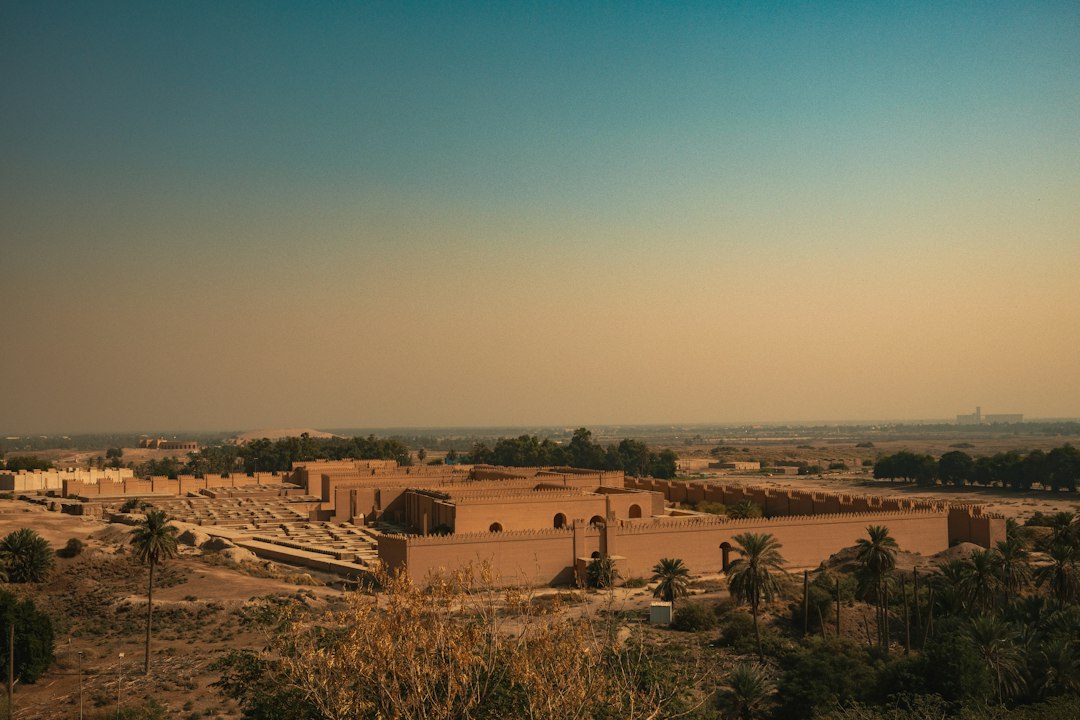
Featured image is an illustrative photograph of Iraqi ruins and landscape.
Sources and image credit
- Associated Press report, September 30, 2026
- Reuters report, September 30, 2026
- Photo by Mr. Great Heart on Unsplash