
The U.S. Department of Health and Human Services announced a group of initiatives on October 8, 2026, aimed at studying and documenting health problems reported after vaccination and improving care for affected patients.
The announcement includes a new National Institutes of Health clinic, a proposed Medicare reimbursement policy for physicians who submit reports, new electronic-health-record requirements and a modernization of the Vaccine Adverse Event Reporting System.
What has started and what is still proposed
- NIH clinic: HHS says a new clinic opened October 5 at the NIH campus in Bethesda, Maryland, to evaluate patients and conduct research.
- Physician reimbursement: The Centers for Medicare & Medicaid Services has proposed paying physicians for time spent submitting suspected adverse-event reports to VAERS. A proposal is not a final reimbursement rule.
- Electronic health records: HHS says federal health-information standards will require records to capture vaccine-related adverse events so the information can follow patients between providers.
- VAERS modernization: CDC is updating the reporting system for mobile access and research use; HHS said a modernization contract was announced September 28.
A VAERS report does not prove causation
VAERS is an early-warning system that accepts reports from clinicians, patients, caregivers and manufacturers. A report means that a health event occurred after vaccination, not that the vaccine caused it. Investigators use patterns in the data to identify signals that may warrant more rigorous study.
That distinction is important when evaluating both individual reports and large raw-report counts. Clinical records, comparison groups, timing, biological plausibility and other evidence are needed to assess whether a causal relationship exists.
What the NIH clinic is intended to do
HHS said the clinic will combine specialized patient care with scientific investigation. Clinicians and researchers will evaluate patients, study reported experiences, investigate possible causes and look for better approaches to care.
The department has not said that every condition reported after vaccination will be determined to be vaccine-caused. The initiative is designed to generate evidence while providing an evaluation pathway.
What patients and clinicians can do now
Patients with urgent symptoms should seek medical care rather than wait for a reporting-system response. Clinicians and patients can submit suspected events to VAERS, but reporting does not replace diagnosis or treatment. People considering vaccination should discuss individual risks and benefits with a qualified healthcare professional and follow current official guidance.
The details come from the HHS announcement issued October 8. AskNovus will distinguish proposed policies from final rules as CMS, CDC, NIH and health-information officials publish implementation documents.
More evidence-based medical coverage is available in Health News.
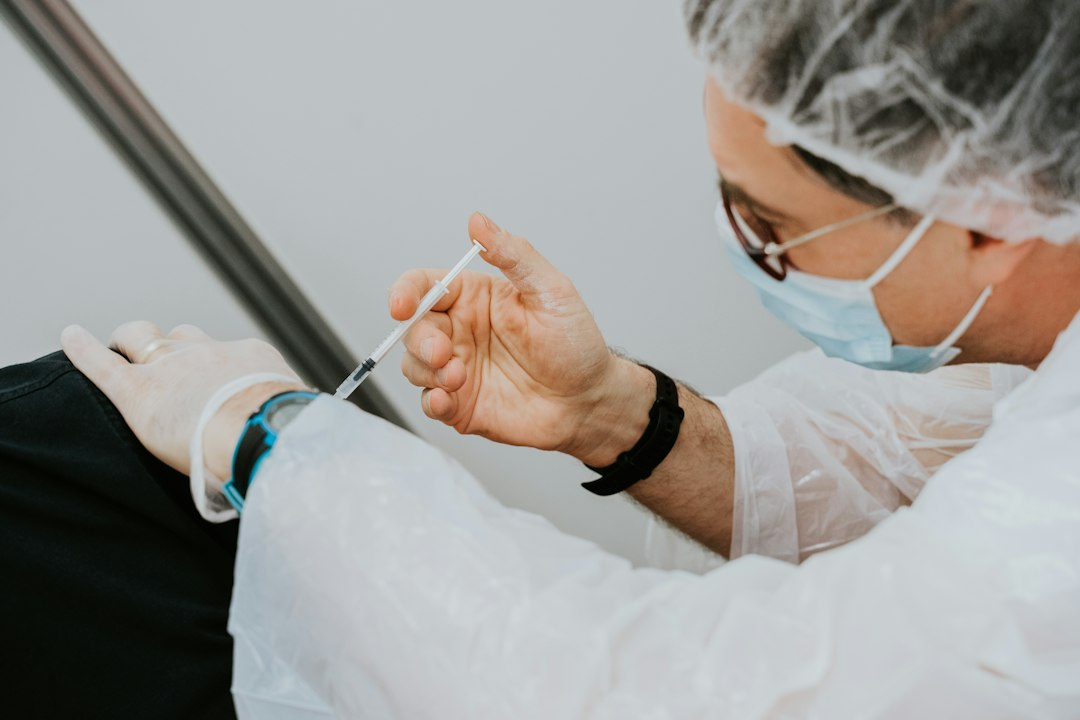
Featured image is illustrative. Credit: Mathurin NAPOLY/Unsplash.