
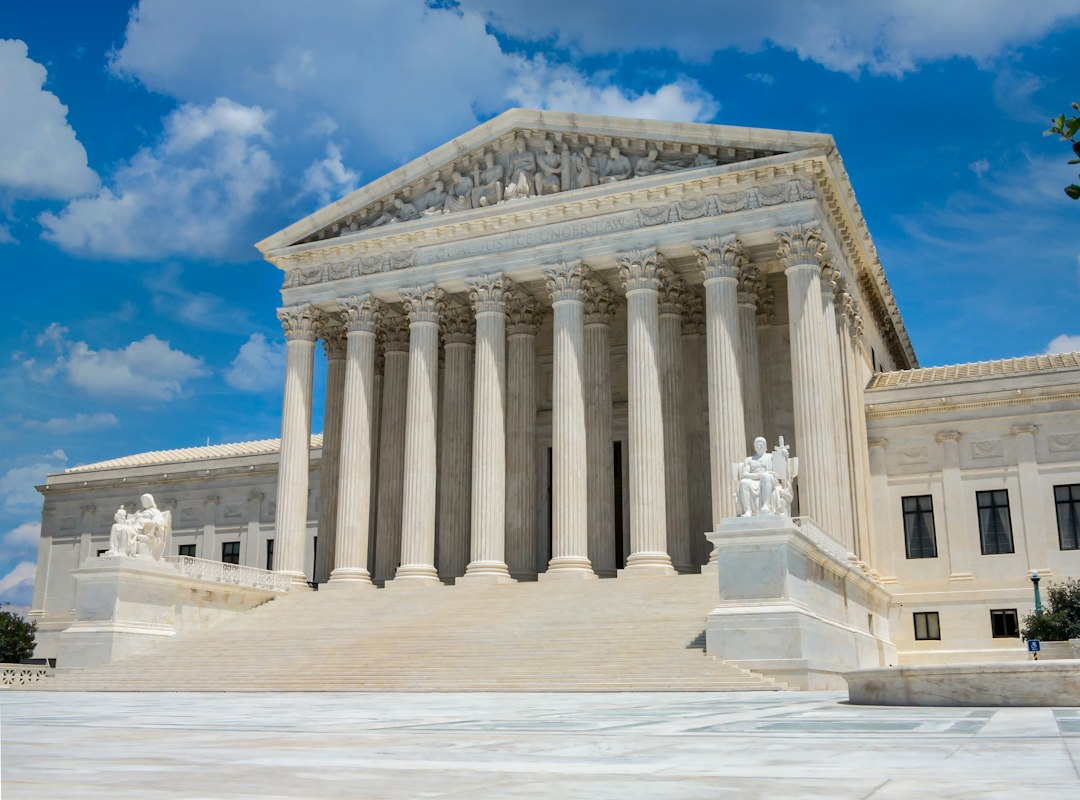
The U.S. Supreme Court opens its new term Monday with arguments in a closely watched climate-liability case involving Boulder County, Colorado, and energy companies Suncor and Exxon Mobil. The dispute could influence dozens of similar lawsuits filed by state and local governments, but the justices are not being asked to decide the ultimate question of climate damages at this stage.
Arguments in Suncor Energy v. Board of County Commissioners of Boulder County are scheduled for 10 a.m. Eastern on October 5. The Supreme Court’s docket shows that it granted review in February and directed the parties to address a jurisdictional question in addition to the issues raised in the petition.
What the case is about
Boulder County and other Colorado local governments allege that fossil-fuel companies violated state law by misleading the public about climate risks and should help pay for local impacts. The companies dispute those allegations and argue that claims tied to global greenhouse-gas emissions are governed or displaced by federal law, including the Clean Air Act.
The immediate legal questions concern whether the state-law case can proceed and whether federal law preempts the claims. That is narrower than deciding whether Suncor or Exxon is liable for damages. A ruling could nevertheless shape the path of nearly 60 related lawsuits around the country, Reuters reported.
Why jurisdiction matters
Jurisdiction determines which court system has authority to hear a claim and which body of law controls. The companies contend that the global and interstate nature of emissions makes the dispute fundamentally federal. Boulder County argues that its consumer-protection and tort claims arise under Colorado law and belong in state court.
Justice Samuel Alito is recused, according to the Supreme Court docket. That leaves eight justices participating, raising the possibility of an evenly divided outcome. A decision is expected by the end of the court’s term in June, although the timing is not guaranteed.
What happens after argument
Monday’s hearing will allow the justices to test both sides’ theories of preemption and jurisdiction. The case could be returned to lower courts for further proceedings depending on the ruling; even a decision favoring Boulder would not by itself establish liability.
The argument follows other high-impact cases on the court’s calendar, including AskNovus’ coverage of the ICE mandatory-detention review. More environmental reporting is available in the Climate section.
Sources
- U.S. Supreme Court docket, No. 25-170, accessed October 4, 2026.
- Boulder County case notice, September 28, 2026.
- Reuters, October 4, 2026.
Featured image: Fine Photographics via Unsplash.