
The Food and Drug Administration announced a 10-part prevention and surveillance program following the conclusion of its investigation into a 2026 Cyclospora outbreak associated with iceberg lettuce.
The agency said October 2 that the work will run through the 2027 growing season and will include expanded surveillance, grower outreach, research and an update to its Cyclospora prevention action plan.
What the FDA plans to do
The agency said it will publish an investigation report, increase surveillance of commodities associated with this year’s outbreaks, work directly with growers and industry groups, and test new prevention approaches. The plan also calls for strengthening coordination with state, federal and international partners.
AP reported that nearly 13,000 illnesses were counted in the outbreak, making it the largest known U.S. Cyclospora outbreak. Investigators detected the parasite in samples from a wastewater tank and drainage ditch at a Guanajuato farm linked to Taylor Farms, according to that report.
That finding did not establish the exact path by which contamination reached lettuce. Reuters reported that Mexican officials said the investigation did not conclusively identify the contamination source. Both points can be true: investigators can find the organism in the farm environment without proving the precise route into food.
What Cyclospora infection looks like
Cyclospora cayetanensis is a microscopic parasite that can cause prolonged watery diarrhea, appetite loss, weight loss, cramping, bloating, nausea and fatigue. Symptoms may improve and then return. People with persistent symptoms should contact a health professional, particularly if they are older, very young, pregnant or immunocompromised.
The parasite is generally spread when food or water is contaminated with feces. Ordinary chlorination may not eliminate it, which makes prevention at farms, packing operations and water systems especially important.
What consumers should know now
The FDA’s October announcement describes future prevention work and the close of an investigation; it is not a new nationwide recall notice. Consumers should follow any product-specific recall or public-health advice if the agency issues one. Washing produce can reduce dirt and some contamination, but it cannot guarantee removal of Cyclospora.
For product-specific safety alerts, see AskNovus coverage of the recent 7UP recall and the site’s Health News section.
Sources
- FDA constituent update, October 2, 2026.
- Associated Press report, October 2, 2026.
- Reuters report on Mexico’s response, October 3, 2026.
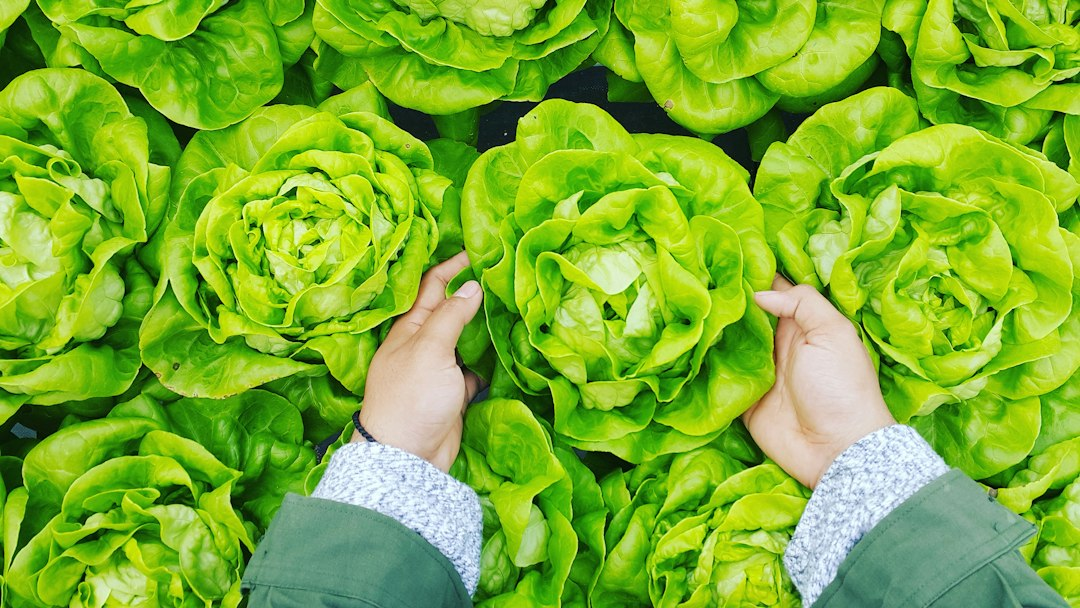
Featured-image credit: PHÚC LONG/Unsplash. The image is illustrative and does not show the investigated farm.