
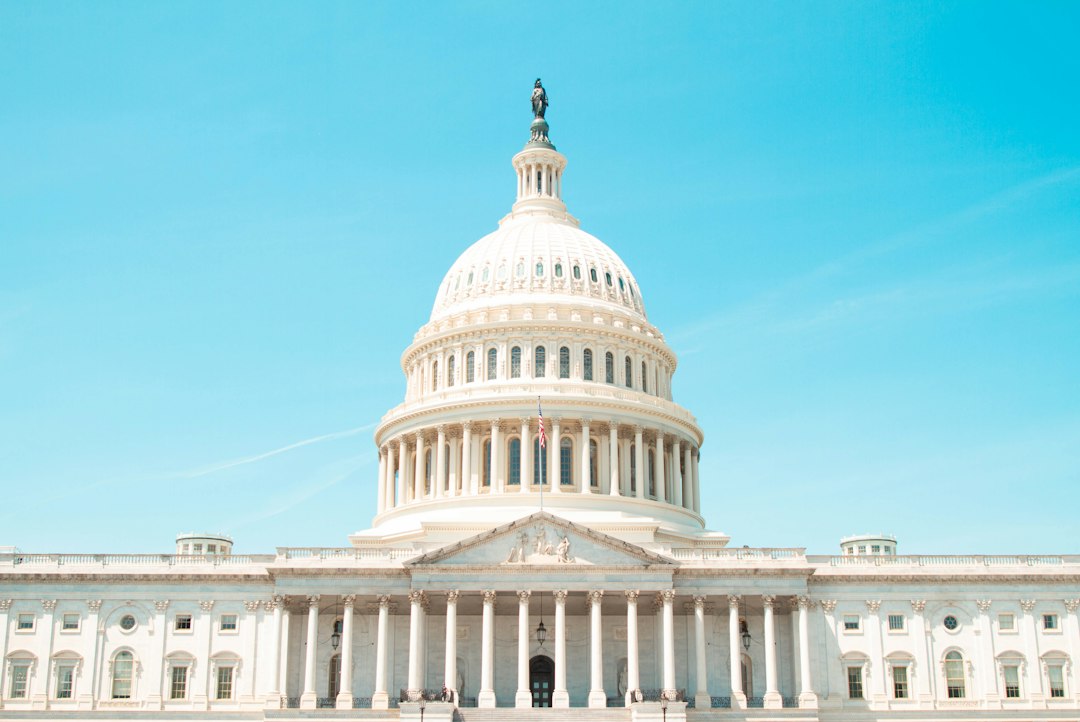
The U.S. Senate confirmed Keith Sonderling as secretary of labor on Wednesday, September 30, 2026, elevating the department’s acting leader to the permanent Cabinet post after a 47-41 vote.
The confirmation came in Washington shortly before senators left for their pre-election recess. The Senate’s official confirmed-nominations record, updated September 30, lists Sonderling’s nomination, PN1129, as confirmed. Both the Associated Press and The Washington Post reported the 47-41 tally.
Who Keith Sonderling is
Sonderling had served as acting labor secretary since April, when Lori Chavez-DeRemer resigned. He was already the department’s Senate-confirmed deputy secretary, a position he assumed after a March 2025 confirmation.
His earlier federal work includes service as a senior adviser in the Labor Department during President Donald Trump’s first term and as a Republican member of the Equal Employment Opportunity Commission. He has also taught labor and employment law as an adjunct professor at George Washington University.
That background made the transition unusually direct: rather than bringing in a new official from outside the department, the Senate confirmed the person already managing its day-to-day work.
What changed with the Senate vote
Until the vote, Sonderling was exercising the secretary’s responsibilities in an acting capacity. Confirmation gives him the office on a permanent basis and formal Senate backing to lead the department.
The Labor Department administers and enforces federal rules covering workplace safety, wages and hours, unemployment insurance, pensions, job training and economic statistics. That portfolio gives the secretary influence over both worker protections and the administration’s broader workforce policy.
The Senate Daily Press record for September 30 shows the chamber first invoked cloture on the nomination before proceeding to the final confirmation vote later that evening.
Support and opposition centered on labor policy
The Associated Press reported October 1 that Republican supporters pointed to Sonderling’s experience and said he was positioned to help workers and employers adapt to changes driven by artificial intelligence.
Democratic opponents argued that the department’s direction under the Trump administration has weakened worker protections. Their objections included concerns over overtime policy, employee classification, union rights and the department’s role in administering some Education Department grant programs.
Those arguments describe competing policy expectations; the confirmation vote itself does not create a new labor regulation. Any change to overtime eligibility, worker classification or other federal standards would still require a separate administrative or legislative process.
What to watch next
Sonderling is expected to continue priorities already underway at the department, including deregulation, apprenticeship expansion, manufacturing workforce policy and preparation for AI-related changes in employment. The Washington Post reported September 30 that business and labor groups expect continuity rather than a sharp change in direction.
For readers tracking the labor market, policy decisions should be kept separate from monthly data releases. AskNovus recently covered the August 2026 Job Openings and Labor Turnover Survey, which measures openings, hires and separations rather than the impact of any single political appointment.
The practical next indicators will be specific rulemaking notices, enforcement guidance, budget decisions and workforce initiatives issued under Sonderling’s name. Those actions—not expectations stated during the confirmation debate—will show how his permanent tenure changes the department’s work.
Featured image: Caleb Perez via Unsplash.
Sources
- U.S. Senate confirmed nominations, September 30, 2026
- U.S. Senate Daily Press, September 30, 2026
- Associated Press, October 1, 2026
- The Washington Post, September 30, 2026