
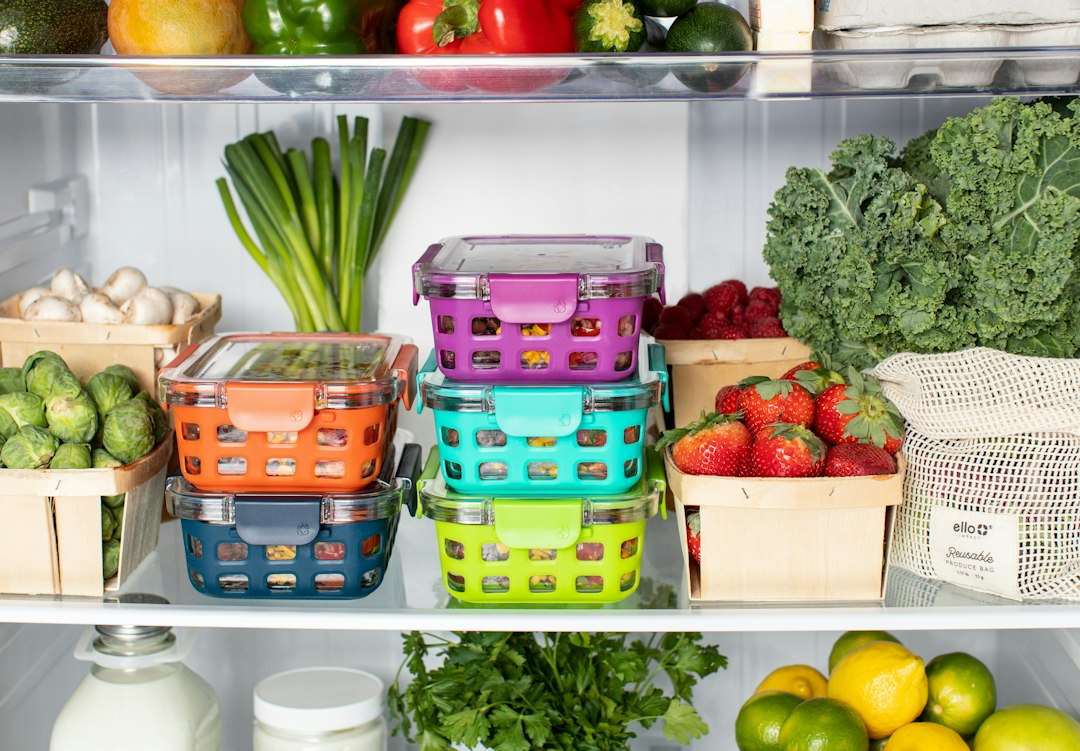
Safe leftovers depend on time and temperature. Cool food promptly, refrigerate it within the recommended window, and reheat it thoroughly.
At a glance
- Refrigerate perishable leftovers within two hours; the limit is one hour in very hot conditions.
- Use refrigerated cooked leftovers within three to four days.
- Reheat leftovers to an internal temperature of 165°F.
Start the clock when the meal ends
Perishable food should not remain at room temperature for an open-ended period. USDA guidance calls for refrigerating or freezing leftovers within two hours. When the surrounding temperature is above 90°F, such as at a hot outdoor gathering, the limit is one hour.
If food has been left out beyond the safe window, reheating does not reliably undo every risk. When the time is uncertain, the safer choice is to discard it.
Cool food in smaller portions
Large, deep containers hold heat in the center. Divide a big pot of soup, chili, meat or casserole into shallow containers so it cools more quickly in the refrigerator. Keep the refrigerator at 40°F or below and avoid packing it so tightly that cold air cannot circulate.
Use or freeze within three to four days
The USDA recommends using refrigerated cooked leftovers within three to four days. Labeling the container with the date removes the need to guess. If you do not expect to eat the food in that window, freeze it sooner rather than waiting until the last day.
Smell and appearance cannot identify every harmful organism. A food can look normal and still be unsafe, so storage time matters even when there is no obvious spoilage.
Reheat to 165°F
Reheat leftovers to an internal temperature of 165°F. Stir soups, sauces and food heated in a microwave so cold spots do not remain. Covering microwave-safe food can help retain moisture and distribute heat, but temperature should still be checked in more than one place.
Only reheat the portion you plan to eat when practical. Repeated warming and cooling makes the timeline harder to track and can reduce quality.
Sources
- USDA FSIS: Leftovers and food safety
- USDA FSIS: Steps to keep food safe
- USDA FSIS: Keep food safe from kickoff to leftovers
AskNovus links to the official sources so readers can review the underlying information.
This is an original AskNovus explanation based on the linked sources. Featured image: Ello via Unsplash. This article provides general food-safety education. Information may change after publication; check official sources for updates.