
A practical room-by-room check for placement, monthly testing, batteries, age, and a family escape plan.
Start with a room-by-room count
Walk through the home and note every bedroom, each hall or area outside sleeping rooms, and every floor. The U.S. Fire Administration (USFA) recommends an alarm inside every sleeping room, outside each separate sleeping area, and on every level, including the basement. If a sleeping area is behind a closed door, an alarm both inside and outside helps ensure a warning can be heard.
Interconnected alarms offer stronger coverage: when one sounds, all sound. They can be wired or use compatible wireless connections. If alarms are missing, ask your local fire department or a qualified installer about placement and follow the model’s installation instructions. Renters can also ask a landlord or property manager to address a missing or failed alarm. Local requirements can vary.
Test, date, and maintain each unit
- Press the test button once a month. Confirm that the alarm sounds. If it does not, follow the manufacturer’s troubleshooting steps and replace a unit that still fails.
- Check the manufacture date. USFA advises replacing a smoke alarm after 10 years, even if its test button still works. Check the label on the unit rather than guessing from the home’s age.
- Handle batteries according to the design. USFA says replace a conventional 9-volt battery at least yearly; hardwired models with a replaceable backup battery need that battery replaced at least yearly too. Sealed long-life units do not have a routine battery swap: replace the whole alarm when the manufacturer directs or when it fails.
- Keep the alarm active during cooking. If cooking smoke causes a nuisance alarm, use the hush button and ventilate. Do not remove the battery or disable the alarm. Follow the maker’s placement guidance; USFA suggests keeping alarms at least 10 feet from cooking appliances where possible.
Keep a simple list of each alarm’s location, manufacture date, and monthly test. That makes a missed floor or an aging unit easier to spot. For other seasonal checks, see our home heating safety checklist.
Make the warning useful for everyone
Make sure each person in the home can detect the alarm. USFA says strobe lights or vibrating pads and bed shakers can help people who are deaf or hard of hearing. Test those connected alert devices as directed by their manufacturers too.
An alarm gives warning, but a practiced response matters. The USFA recommends two ways out of each room, clear exits, an outside meeting place, and a drill with everyone in the household. Start a drill by sounding the test button so people recognize the alert. Your home emergency kit supports broader readiness, while the escape plan tells everyone what to do immediately when an alarm sounds.
When to act today
Replace a smoke alarm promptly if it does not sound during testing or has reached 10 years of age. If one is missing from a recommended location, arrange installation. Do not wait for a seasonal reminder: a monthly test and a current escape plan are more useful than a once-a-year check.
Sources
- U.S. Fire Administration, smoke alarm placement and maintenance, accessed September 29, 2026
- U.S. Fire Administration, smoke alarm safety pictographs, accessed September 29, 2026
- U.S. Consumer Product Safety Commission, alarm maintenance, accessed September 29, 2026
- U.S. Fire Administration, home fire escape plans, accessed September 29, 2026
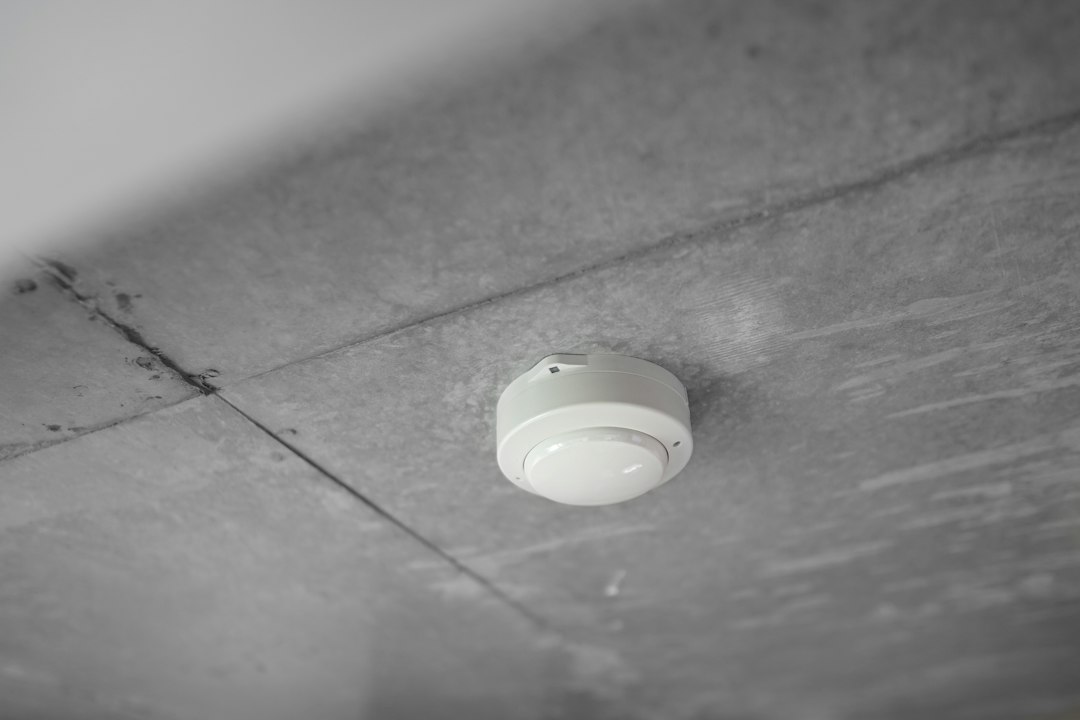
Featured image: ceiling-mounted alarm photographed by Yosuke Ota, via Unsplash. The image is illustrative; check your own device label and instructions for its exact type.