
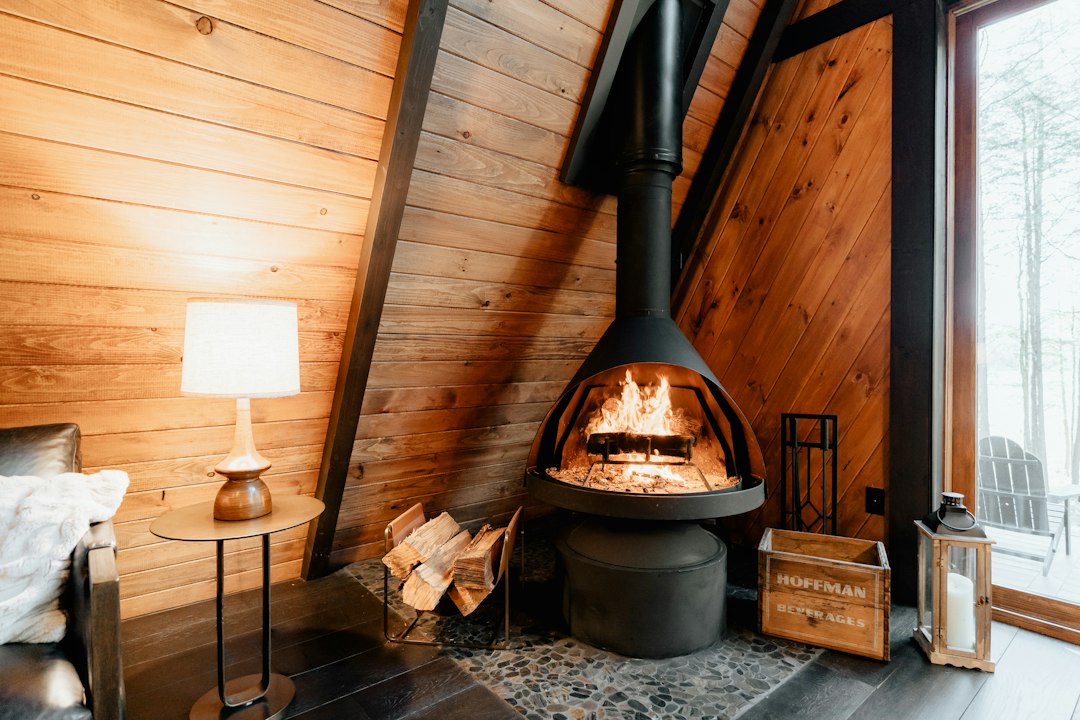
A short walk through your home before the first cold stretch can catch the heating hazards that are easiest to miss.
As temperatures fall, heating systems move from occasional use to daily work. A sensible first step is to check the equipment and the space around it before you depend on it. This checklist focuses on actions a homeowner or renter can take without opening or repairing a furnace, chimney, or other fuel-burning appliance.
1. Put professional service on the calendar
Have a qualified professional inspect and service your heating system and chimney each year. That is especially useful before regular seasonal use: problems with a furnace, fireplace, or venting system are not always visible from the room. If you rent, ask the property manager when the equipment was last serviced and report anything that seems wrong. Keep outdoor vents free of leaves, snow, and other debris.
2. Make space around every heat source
Move furniture, blankets, papers, and other things that can burn at least 3 feet away from fireplaces, wood stoves, radiators, and portable space heaters. Check the full area around a heater, including items that might shift toward it after you leave. Turn portable space heaters off when you leave the room or go to sleep. Never use an oven or stovetop to heat a home.
3. Check carbon monoxide protection
Carbon monoxide (CO) has no smell or color. Fuel-burning equipment can produce it, so an alarm matters even when everything appears normal. The U.S. Fire Administration recommends CO alarms outside each sleeping area and on every level of the home. Follow the manufacturer’s directions for testing and replacement; check batteries or battery backup before colder weather. Smoke alarms serve a different purpose, so check those too.
Headache, dizziness, weakness, nausea, chest pain, or confusion can be signs of CO poisoning. If a CO alarm sounds, get everyone outside immediately and call 911 from outside. Do not stay indoors to look for the source.
4. Think through an outage before one happens
A power cut can tempt people to improvise. Never run a generator in a house, basement, garage, or enclosed space, even with the garage door open. The CDC says to operate it outdoors more than 20 feet from windows, doors, and vents. Do not use charcoal grills, camp stoves, or gas ovens for indoor heat. If outages are a concern where you live, add flashlights, batteries, and other basics to your home emergency kit ahead of time.
A five-minute walk-through
- Look for a service record or book a qualified heating professional.
- Clear the 3-foot area around heaters and fireplaces.
- Test CO and smoke alarms and check their replacement dates.
- Check that outdoor vents are unobstructed.
- Review your outage plan and where a generator could safely operate outdoors.
These steps are simple, but they address different risks: fire, carbon monoxide, and unsafe backup heat. If equipment needs repair or you suspect a venting problem, stop using it and contact a qualified professional.
Sources
This original AskNovus guide summarizes the public safety guidance linked above. Featured image: Clay Banks via Unsplash.
[…] Keep a simple list of each alarm’s location, manufacture date, and monthly test. That makes a missed floor or an aging unit easier to spot. For other seasonal checks, see our home heating safety checklist. […]