
Interest in “fibermaxxing” has pushed dietary fiber into online wellness conversations. Google reported that U.S. searches for dietary fiber reached an all-time high in 2026. The useful part of the trend is choosing more fiber-rich foods; the risky part is treating “more” as automatically better.
At a glance
- The FDA Daily Value for dietary fiber is 28 grams for a 2,000-calorie diet.
- Increase fiber gradually and drink enough fluids.
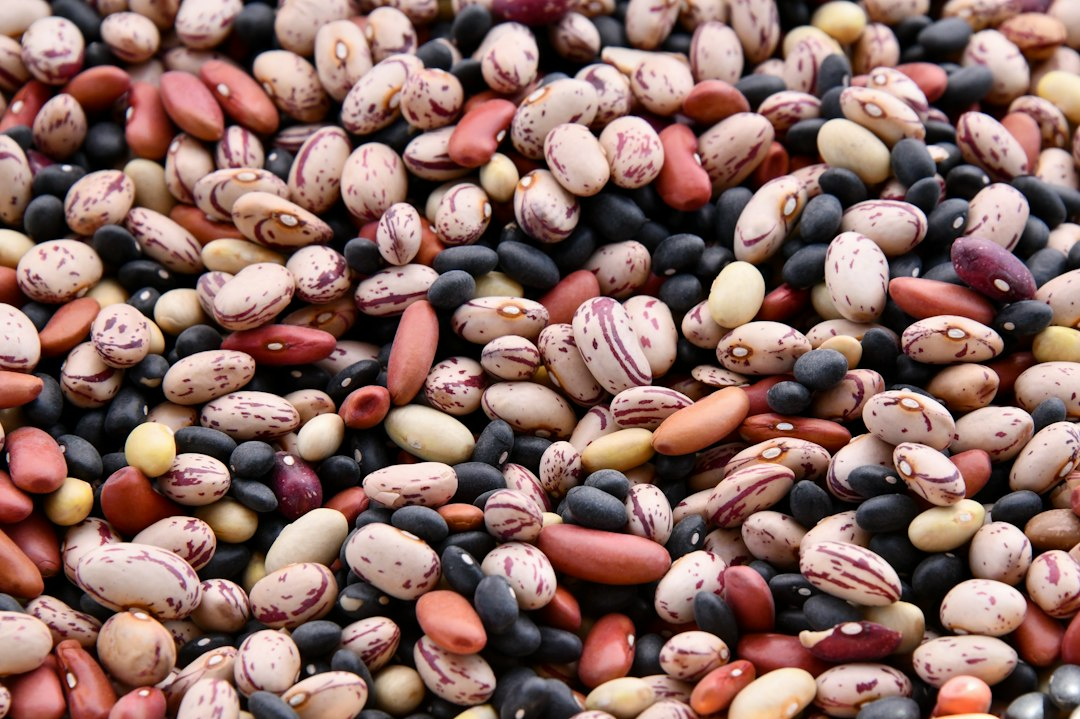
- Beans, whole grains, fruits, vegetables, nuts and seeds can contribute fiber.
What fiber does—and what the label tells you
Dietary fiber is a type of carbohydrate the body does not fully digest. Different fibers behave differently, which is one reason varied food sources matter. On a Nutrition Facts label, the percent Daily Value helps compare products: the FDA considers 5% DV or less low and 20% DV or more high per serving.
The 28-gram Daily Value is a labeling reference, not a personal prescription. Needs can vary with age, sex, health conditions and total calorie intake. A clinician or registered dietitian can give individualized guidance.
Build the increase slowly
A sudden large increase can cause gas, bloating or cramping. The National Institute of Diabetes and Digestive and Kidney Diseases advises adding fiber gradually and drinking water and other liquids so fiber can work properly. If you have irritable bowel syndrome, inflammatory bowel disease, swallowing problems, gastroparesis or another digestive condition, ask a health professional before making a major change.
Use ordinary foods before chasing powders
Start by adding one repeatable food at a time: beans in a soup, oats at breakfast, fruit with a snack, vegetables at lunch or a whole-grain swap. Check serving size because a package may advertise a high-fiber ingredient while the portion provides less than expected.
Fiber supplements can be appropriate for some people, but they do not replace the full mix of nutrients in food. Product claims such as “gut reset” or “detox” are not a substitute for the Nutrition Facts and ingredient lists.
A practical one-week approach
- Read labels on foods you already eat and estimate your usual intake.
- Add one fiber-rich serving each day rather than changing everything at once.
- Keep fluids available and notice digestive symptoms.
- Increase variety across grains, legumes, produce, nuts and seeds.
- Pause and seek medical advice for persistent pain, vomiting, bleeding or major bowel changes.
Sources
This educational article is not medical advice. Image: Shelley Pauls via Unsplash.