
The Federal Communications Commission plans to vote Oct. 29 on a proposal to advance a new wireless-spectrum auction designed in part to expand direct-to-device satellite service.
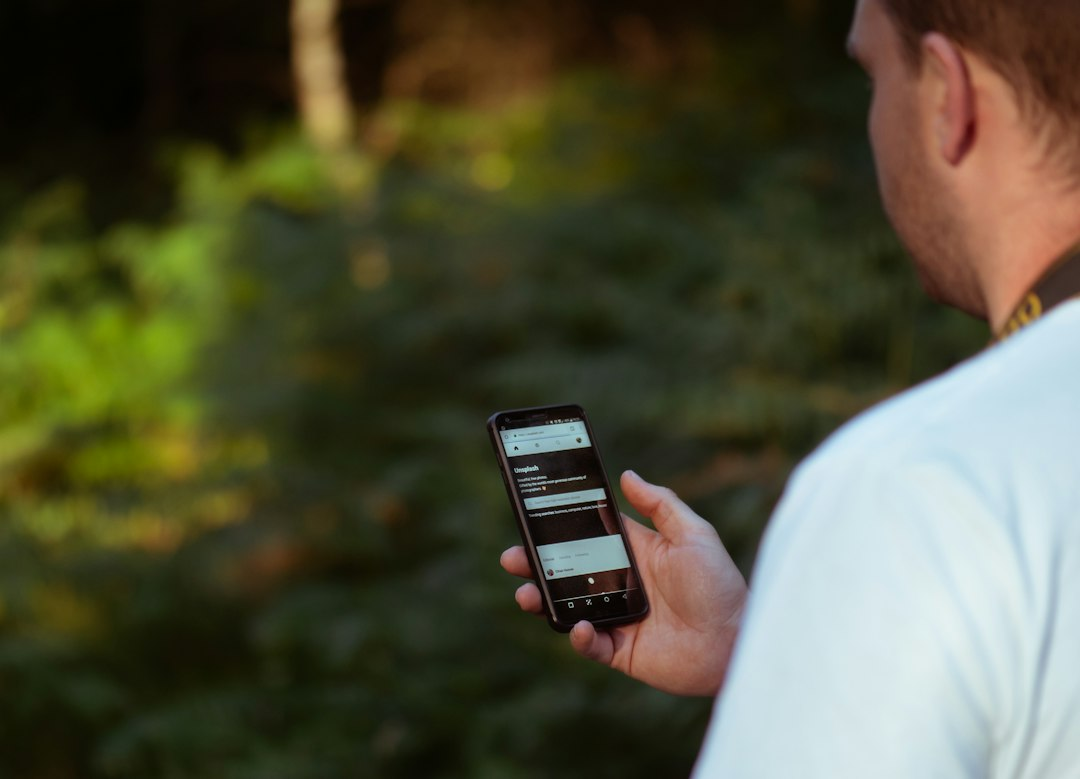
Featured image: Mobile connectivity. Photo by Jamie Street/Unsplash.
Direct-to-device systems allow ordinary mobile phones to connect to satellites when terrestrial cellular towers are unavailable. The developing market includes satellite operators such as SpaceX and Amazon as well as major wireless carriers seeking wider coverage in rural areas, on highways and during disasters.
FCC Chair Brendan Carr said the commission will consider auctioning 25 megahertz of spectrum and opening an additional 482 megahertz for satellite coverage, according to an FCC announcement reported Wednesday by Reuters.
What the FCC vote would do
The Oct. 29 vote would not instantly create nationwide satellite-to-phone service. It would move the auction process and related regulatory changes forward, setting the framework for companies to compete for licenses and build services.
The commission is also expected to consider updates to rules governing direct-to-device technology and separate rules for drone use in the 800 MHz band.
Spectrum is the finite set of radio frequencies used by phones, satellites, broadcasters and other wireless systems. FCC auctions assign licenses to use particular bands while attempting to limit interference between services.
Why direct-to-device is accelerating
Satellite-to-phone connections have moved from emergency texting toward broader messaging and data services. The appeal is straightforward: a compatible phone could maintain basic connectivity in places where towers do not reach or where hurricanes, wildfires or other disasters have damaged ground infrastructure.
The technology still faces capacity, device-compatibility and interference constraints. A satellite link generally cannot yet replace the speed and density of a conventional urban 5G network. The FCC’s rulemaking will help determine which bands can be used, under what technical limits and how satellite operators coordinate with terrestrial carriers.
SpaceX recently received approval to deploy 7,500 additional Starlink satellites and agreed to acquire 65 megahertz of spectrum from EchoStar for $19.6 billion, Reuters reported. AT&T, T-Mobile and Verizon have also formed a joint venture focused on satellite-enabled mobile coverage.
What consumers should expect
No customer needs to take action now. The commission must first vote, complete any rulemaking, run the auction and issue licenses. Service availability will then depend on carriers, satellite deployments and handset support.
Consumers should also distinguish emergency satellite features already available on some phones from the broader “direct-to-device” services contemplated by the proposal. Capabilities, geographic coverage and pricing vary by provider.
AskNovus will follow the vote and any final technical rules in its Mobile Technology and Technology sections.
Sources
- Reuters, FCC direct-to-device proposal, published Oct. 7, 2026
- Federal Communications Commission auction information, accessed Oct. 7, 2026
Reporting by AskNovus Editorial Team.